
 E-Paper



UP’s digital turn on birth, death records
Once India is able to extend registration coverage to nearly universal levels, there will be a huge scope to improve service delivery in several sectors.

 Prefer HTon Google


The most populous administrative subdivision of the world, Uttar Pradesh (UP), is poised for a transformative journey as it embraces a digital revolution in the registration of births and deaths. The time-honoured practice of meticulous report submissions is set for a groundbreaking shift, particularly with the enactment of the new 2023 Registration Act. This change isn’t merely a legal update; it signifies a transformation in how we approach this crucial aspect of governance.
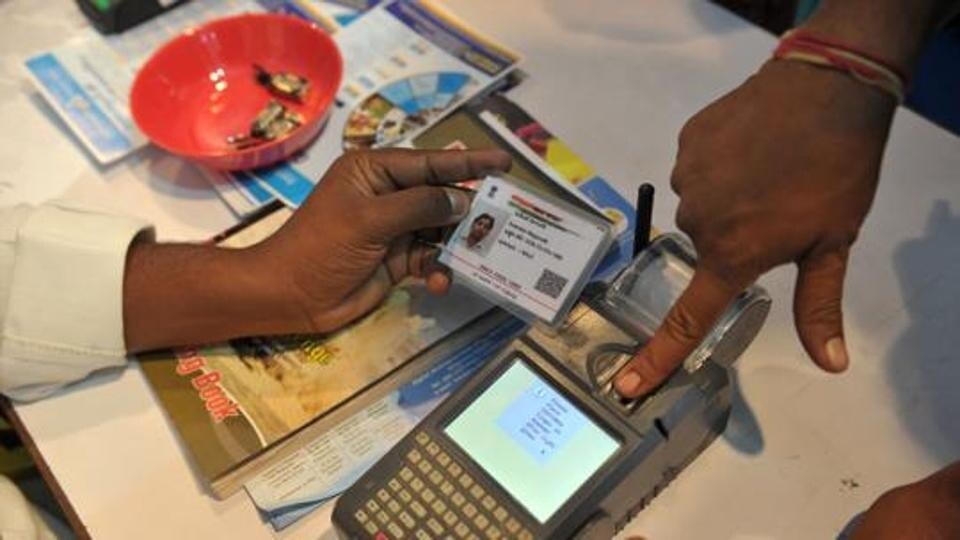
Both the Acts of 2023 and 1969 reaffirmed the responsibility of every registrar to meticulously record all births and deaths within their jurisdiction. Traditionally, certain government employees, such as ASHA workers, anganwadi staff, village chowkidars, and safai karamcharis, have been designated as “informants” and “notifiers” for this purpose. Importantly, the Act in letter and spirit doesn’t preclude suo motu registrations on the part of the registrar. However, a substantial number of birth registrations do not occur within the mandated one-year timeframe, necessitating magistrate orders for such “delayed registrations”. When factoring in the “shoe leather” costs of multiple visits to registration units, the financial burden becomes significant. In UP, India’s most populous state, where approximately 60% of births take place in government health institutions, a remarkable initiative rooted in the concept of “suo moto registration” has been launched.
The Directorate of Census Operations in Lucknow, under the aegis of the Office of the Registrar General of India (ORGI), has collaborated with the department of health and family welfare, government of UP. Together, they have introduced an API bridge that seamlessly connects health system data with the registration portal. This API represents a pioneering integration of government health facility-based births into the Civil Registration System portal managed by ORGI. It retrieves data for essential legal fields of a birth certificate from the pregnancy tracking and delivery app managed by the health department of UP. The extracted data is then structured into a birth certificate, digitally signed by the hospital registrar. The result? Birth certificates can now be delivered to parents within hours of the child’s birth, marking a momentous departure from the traditional, often cumbersome, birth registration process.
This achievement sets a shining example for the entire nation. It means that every birth in these institutions is automatically registered without requiring parents to initiate the process. This progressive step not only saves time and costs but also greatly enhances convenience for the families involved. When fully operational at the sub-centre level, this API is projected to facilitate 3.6-4 million birth registrations annually. Birth certificates are more than just pieces of paper; they are gateways to rights, benefits, and opportunities. They provide legal identity, a cornerstone of citizenship, and access to essential services like education and healthcare. In UP, several social welfare schemes now rely on a validation API with CRS, eliminating the need for physical verification of certificates before extending benefits to citizens. Nevertheless, as with any transformative endeavour, challenges persist. A similar system for recording deaths could prove pivotal for tracking and responding to public health concerns. Institutional births and deaths, as well as those occurring in domiciliary settings and private hospitals or nursing homes, must be comprehensively recorded. The concept is being readily replicated for private institutions by issuing “informant IDs” mapped to their local area registrar. The benefits of this initial step toward a digital-age registration system are evident.
Once India as a country is able to extend registration coverage of vital events to nearly universal levels, there will be a huge scope for leveraging these databases to improve service delivery in a wide variety of sectors.
Data repositories often operate as “silos”, resistant to external influences. Nevertheless, minor adjustments can foster symbiotic linkages between multiple repositories, departments, and structures. This transformation signifies a fundamental shift in our approach to governance. With technology as our ally, we stand on the brink of streamlining this essential process, reducing obstacles, and ensuring timely documentation of most momentous events in life.
Sheetal Verma is director, census operations and citizen registration, Uttar Pradesh. The views expressed are personal


