
 E-Paper



EU suspension of CAI is a setback to Merkel’s pro-China policies
The suspension of CAI comes at a time when the EU has decided to reopen trade and investment negotiations with India after a long hiatus of eight years, primarily because a high ambition bar was maintained for New Delhi.

 Prefer HTon Google


In European Union Parliament, there is a saying that their human rights policies are so tight that they can fit into bonnet of a BMW car. The EU’s suspension of ratification of Comprehensive Agreement on Investment (CAI) with China has not only sounded a death knell of the agreement but is a strong rebuff to German Chancellor Angela Merkel pro-China polices of the past 15 years.
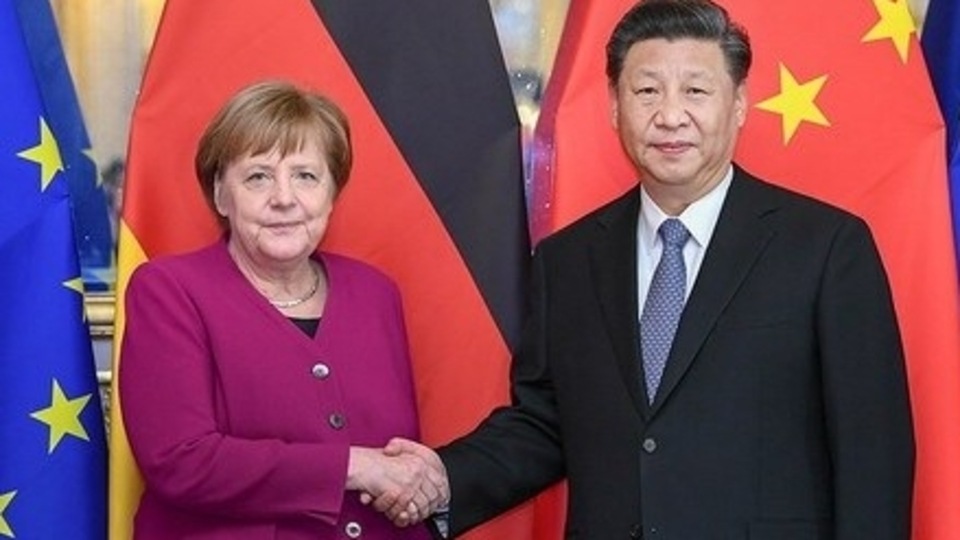
“The investment agreement is as good as dead despite the EU officially stating that it is suspended for now. Many EU diplomats including some from Germany were sceptical from the beginning but the last straw was the Chinese sanctioning of European Parliament members, including the entire human rights committee,” said a senior diplomat in EU. The sanctions were imposed in retaliation to the EU sanctioning four Chinese officials and the Xinjiang Public Security Bureau for their alleged involvement in operating so-called education camps in Muslim-dominated Xinjiang province. It is the European Parliament that must approve the CAI and with its members sanctioned, such a decision becomes untenable.
While Germany, and to some extent France, were behind the CAI’s conclusion in December last year, the fact that it set a low ambition bar on Chinese aggression against Taiwan, Hong Kong and human rights abuses in Xinjiang, had led to strong opposition from the Greens and Liberal members of European Parliament. The EU media and other pressure groups had also highlighted similar concerns. Many hinted that the CAI was moving till now mainly as it was a personal project of the German Chancellor and would lose steam eventually once see demits office in September this year. Chancellor Angela Merkel, with an eye on German auto business, not only pushed the agreement during its EU presidency in 2020 but is also now seen as someone who is staunchly opposing TRIPS waiver on vaccines as she wants US-European companies to export these vaccines on commercial basis rather than give up on IPR even in the time of biggest health crisis in 100 years.
The suspension of CAI comes at a time when the EU has decided to reopen trade and investment negotiations with India after a long hiatus of eight years, primarily because a high ambition bar was maintained for New Delhi. This was done despite India being a democracy with strong laws on human rights, labour and strong commitment to rules based international system.


