E-Paper


What is the Avignon Papacy and why is it linked to Trump-Vatican tensions? Explained
During a Pentagon meeting, the Avignon Papacy was referenced, stirring debate over US-Vatican relations.

 Prefer HTon Google


A reported reference to the “Avignon Papacy” during a closed-door Pentagon meeting has sparked debate amid tensions between Donald Trump’s administration and the Vatican.
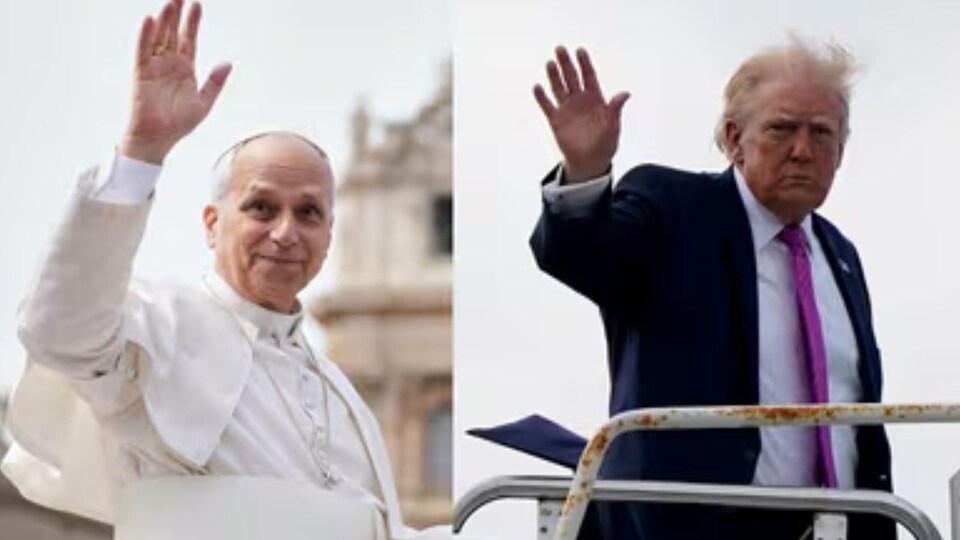
While the historical term may seem obscure, experts say it carries significant meaning in the context of Church-state relations.
According to reporting by The Free Press, a senior Pentagon official used the term during a January meeting with Cardinal Christophe Pierre, the then Vatican ambassador to the United States. The discussion reportedly followed remarks by Pope Leo XIV that were interpreted by US officials as critical of American foreign policy.
US Vice President JD Vance said he would look into the reports but cautioned against drawing conclusions from unverified accounts. The Department of Defense, meanwhile, told Newsweek that the meeting had been a “respectful and reasonable discussion,” calling reports of tension “highly exaggerated and distorted.”
Also Read: Pentagon-Pope row: JD Vance breaks silence amid 'excommunication' rumors; ‘A bad idea’
What is the Avignon Papacy?
The “Avignon Papacy” refers to a period between 1309 and 1377 when seven successive popes resided in Avignon, in present-day France, instead of Rome.
The shift followed prolonged conflict between the papacy and the French crown, particularly under King Philip IV.
Initially intended as a temporary move to avoid political instability in Italy, the relocation lasted nearly seven decades.
Historians often view this period as one in which the papacy’s independence was weakened by political influence. It eventually contributed to the “Great Western Schism,” when rival popes claimed authority, dividing the Church until 1417.
Why the reference matters
Analysts say invoking the Avignon Papacy in a modern diplomatic setting is unlikely to be accidental. The term is widely understood within Church history as symbolizing a time when religious authority appeared subordinate to political power.
Also Read: Pope excommunicating JD Vance? Fact-checking wild claim amid Pentagon-Vatican row report
Reports suggest the remark came during a tense exchange, with the US official allegedly stressing American military strength and urging the Vatican to align with its position.
The friction reportedly followed a papal address criticizing a “diplomacy based on force,” which some interpreted as aimed at the Trump administration’s policies.
However, interpretations of the remark vary. Some commentators have suggested it could signal pressure on the Vatican, while others, including journalist Mattia Ferraresi, have dismissed claims that it amounted to a direct military threat.
Ongoing tensions
Relations between Washington and the Holy See have remained strained in recent months, with Pope Leo XIV continuing to deliver anti-war messages that observers say are critical of US policy.
Reports also indicate that the Vatican may have indefinitely postponed a potential papal visit to the United States amid these disagreements, though no official confirmation has been issued.
The Vatican has not publicly commented on the reported Pentagon meeting.