India is a world leader in many wonderful ways. Unfortunately, India also leads the world in rates of diabetes.
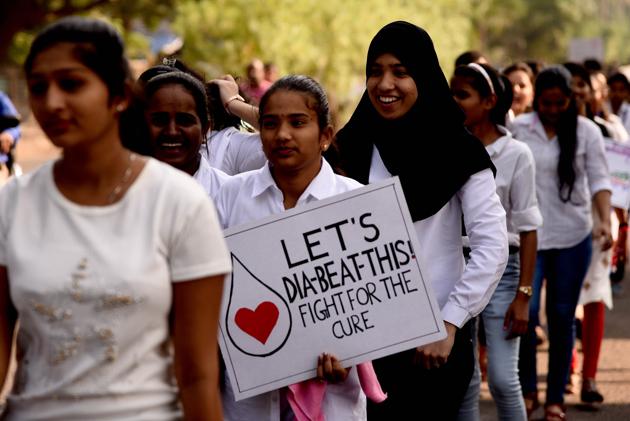
Think of diabetes — technically type 2, the kind that strikes adults — as the ultimate metabolic meltdown. After years of a low-quality diet, not enough physical activity, and excessive weight gain, the body may stop responding efficiently to the hormone insulin, causing blood sugar to rise to dangerous levels. Chronically high blood sugar can harm blood vessels, kidneys, eyes and other organs, and greatly increase the risk for cardiovascular disease.
According to one estimate, more than 100 million Indians will have diabetes by 2030, and many more will have pre-diabetes. If left unchecked, this epidemic will exact a huge human toll of suffering and also stretch limited health care resources to the brink.
Although diabetes can run in families, this epidemic has increased far too fast to blame on genes. In fact, more than 90% of diabetes can be prevented by a healthy lifestyle. Of course, staying slim and exercising regularly is very helpful — although these goals can be elusive for many people amid our busy, modern life.
Fortunately, six simple changes in diet can make a huge difference.
As many people with diabetes know, carbohydrates raise blood sugar more than any other type of food. All carbohydrates break down in the body into sugar. But when the carbohydrates are refined and processed, they digest too quickly, raising blood sugar too much. Naan, chapati, white rice, and the other refined grain products in the Indian diet, together with white potato, raise blood sugar as much or more as sugar itself. (And Indians eat a lot of sugar, too!)
In contrast, protein raises blood sugar only a little, and fats don’t affect blood sugar at all. For this reason, a high-fat/low-carbohydrate diet was the mainstay of diabetes treatment before the discovery of insulin. And contrary to what we were told during the low-fat diet era of the late 20th century, high-fat foods like nuts, olive oil and yogurt seem to protect against weight gain, whereas refined grains, potatoes and sugar top the list for weight gain.
{{/usCountry}}In contrast, protein raises blood sugar only a little, and fats don’t affect blood sugar at all. For this reason, a high-fat/low-carbohydrate diet was the mainstay of diabetes treatment before the discovery of insulin. And contrary to what we were told during the low-fat diet era of the late 20th century, high-fat foods like nuts, olive oil and yogurt seem to protect against weight gain, whereas refined grains, potatoes and sugar top the list for weight gain.
{{/usCountry}}Which isn’t to say that everyone should give up all carbohydrates. Non-starchy vegetables, beans, and intact whole fruits are nutritious and digest slowly — and they have a more gentle impact on blood sugar.
So, let’s start with typical Indian fare, which might include three servings of processed carbohydrates in each meal. That’s nine a day, considering a single serving of white rice is 1/3 cup and a single serving of bread is a 1-oz slice. Substitute six of these nine servings with one serving of each of the following: Minimally processed or whole kernel grain — brown rice, old-fashioned or Irish oats, barley, faro, etc; non-starchy vegetables — spinach, cabbage, broccoli, cauliflower, etc; whole, non-tropical fruits — berries, apples, peaches, etc; nuts — almonds, pecans, pistachio, walnuts, etc; legumes — black or red beans, chickpeas; protein — including vegetarian options such as tofu.
(With the remaining three servings of processed carbohydrate a day, you can enjoy a moderate amount of naan or white rice, and the occasional sweet dessert.)
This way, you’ll help control your blood sugar and prevent diabetes, without having to count calories or feel deprived!