
 E-Paper



HR reviewer Majid Maqbool picks his favourite reads of 2024
A Pulitzer Prize winning book on a father’s struggle to find answers about his child’s death, and a blistering satire on race in American publishing

 Prefer HTon Google


Earlier this year, I read A Day in the Life of Abed Salama: Anatomy of a Jerusalem Tragedy by American author and journalist Nathan Thrall. I also interviewed the author for this page. A minutely researched narrative about a Palestinian father’s struggle to find answers about his five-year-old son’s death in a bus accident, the book was awarded the 2024 Pulitzer Prize for General Nonfiction for its “finely reported and intimate account of life under Israeli occupation of the West Bank” and for offering an “indelibly human portrait of the struggle over Israel/Palestine and a new understanding of the tragic history and reality of one of the most contested places on earth.”
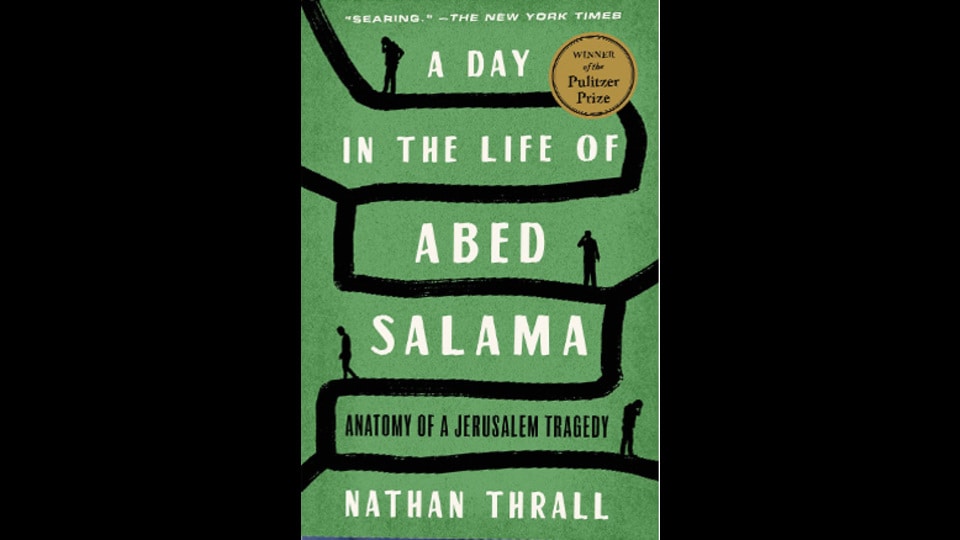
The author also tells the larger story of the dispossession of Palestinians through the life story of a Palestinian father, Abed Salama, whose son lost his life as Israeli and Palestinian rescue teams were late to reach the crash site given the crippling security regulations put in place by the Israeli state. This is a grim picture of the modern West Bank where everyday life is disrupted by a maze of concrete walls and multiple checkpoints, and where walled ghettos have no sidewalks, streets are filled with potholes and there are no municipal services.
The book grew out of Thrall’s heartbreaking piece of the same title published some years ago in The New York Review of Books.
Another book that I found both moving and educational is Ta-Nehisi Coates’s The Message, which takes the reader on a journey from Senegal to South Carolina and, finally, to Palestine. Coates asks all the right questions about systemic injustices, racial segregation and forced displacements of Palestinians in this moving essay based on what he saw during a 10-day trip to Palestine. On how the stories we tell, and the ones we don’t, shape our realities, the last chapter of The Message, especially, offers a powerful indictment of the Israeli occupation. Coates realises that it is not enough that he sees Palestine through the “haze of my own experience”. “If Palestinians are truly to be seen,” he argues, “it will be through stories woven by their own hands.”
This year, I also read Percival Everett’s 2001 novel Erasure, a blistering satire on how non-white authors are seen from a stereotypical racial lens in the publishing world and not expected to explore narratives beyond their narrow racial identities. I came to the book after watching Cord Jefferson’s impressive directorial debut, American Fiction, that was based on the book. Jeffrey Wright, who plays Thelonious “Monk” Ellison, a professor and novelist, brings alive the struggles and frustrations of the protagonist, an author whose books are well reviewed but seldom sell well. Frustrated with the publishing industry that pegs the black experience to a few stereotypical representations, and in need of money to pay for his ailing mother’s care, he writes My Pafology, a book filled with gangs, drugs and dependent fathers. To his surprise, the book goes up the best seller charts and he starts getting Hollywood movie offers. As in the book, the film offers many laugh-out-loud moments in between thoughtful, satirical takes on race, writing and the publishing world in America. There is never a dull moment, both in the film and the book.
Here is Jeffrey Wright’s character in the film expressing dismay at what is expected of a Black author in America: “You’re not fed up with it? Black people in poverty, black people rapping, black people are slaves, black people murdered by police, whole soaring narratives about black folks in dire circumstances who still manage to maintain their dignity before they die. I mean, I’m not saying these things aren’t real, but we’re also more than this. It’s like so many writers like you can’t envision us without some white boot on our necks.”
Majid Maqbool is an independent journalist based in Kashmir.
READ MORE: HT REVIEWERS PICK THEIR FAVOURITE BOOKS OF 2024


