
 E-Paper



Lauding path-breaking journalism, Pulitzer announces 2016 winners
The Pulitzer Board conferred the most prestigious honours in US journalism and the arts at New York’s Columbia University on Monday.

 Prefer HTon Google


The Pulitzer Board conferred the most prestigious honours in US journalism and the arts at New York’s Columbia University on Monday.

This year’s announcement marked the 100th anniversary of the Pulitzers, which began in 1917 after a bequest from newspaper publisher Joseph Pulitzer.
Listed below are the winners who were felicitated this year for their outstanding work:
Investigative reporting
Leonora LaPeter Anton and Anthony Cormier from The Tampa Bay Times, and Michael Braga from The Sarasota Herald-Tribune
For their series, ‘Insane. Invisible. In Danger’, which connected steep budget cuts with rising violence and neglect at Florida mental hospitals.
National reporting
Staff, The Washington Post
For its revelatory national database detailing fatal shootings by police officers nationwide. The Post identified 990 fatal shootings nationwide in 2015, far more than ever recorded by the federal government.
International reporting
Alissa J. Rubin, The New York Times
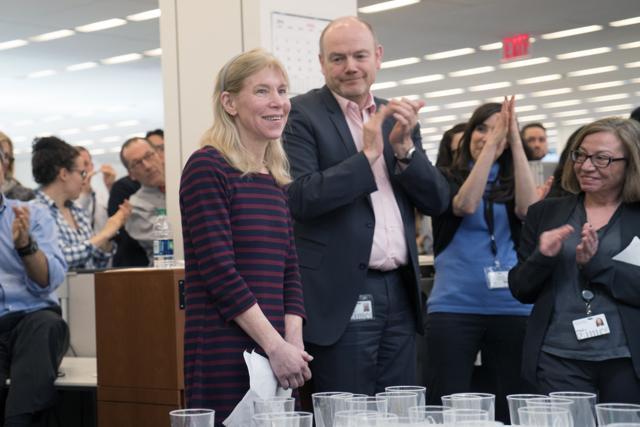
For reports illuminating the struggles endured by women in postwar Afghanistan. The committee highlighted an investigation into the death of Farkhunda Malikzada, 27, who was killed by a mob, and the failure of Afghanistan’s legal system in its aftermath.
Breaking news
Staff, The Los Angeles Times
The Times’ coverage of the mass shooting in San Bernardino, California, which killed 14 people, was a newsroomwide effort that resulted in a live-blog that was constantly being refreshed, and a main news story that was updated 22 times.
Feature writing
Kathryn Schulz, The New Yorker
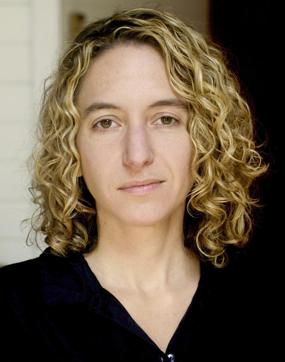
For her vivid investigation into the Cascadiasubduction zone, a fault line that threatens to unleash “the worst natural disaster in the history of North America,” potentially ravaging vast portions of the Pacific Northwest with a huge earthquake and resultant tsunami.
Public Service
The Associated Press
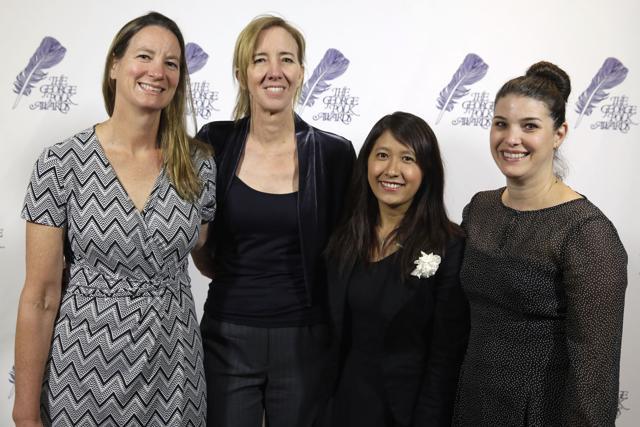
The AP’s investigation into the use of slave labor across the seafood industry in Southeast Asia traced how that very seafood was then sold across supermarkets and restaurants in the United States. It was credited for a series of articles that “freed 2,000 slaves, brought perpetrators to justice and inspired reforms.”
Local reporting
Michael LaForgia, Cara Fitzpatrick and Lisa Gartner from The Tampa Bay Times
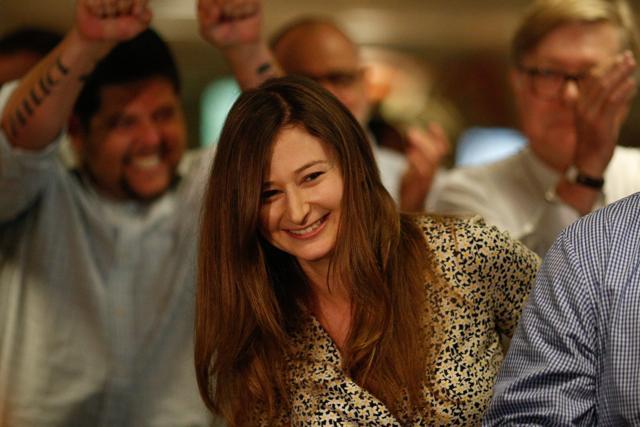
For exposing “a local school board’s culpability in turning some county schools into failure factories.”
Explanatory journalism
T. Christian Miller from ProPublica, and Ken Armstrong from The Marshall Project

For their article, ‘An Unbelievable Story of Rape’, about a failed police investigation into a young woman’s allegations of rape.
Criticism
Emily Nussbaum, The New Yorker
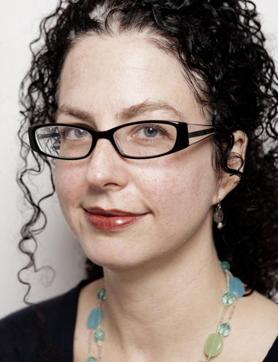
For a set of reviews and essays about subjects like Joan Rivers’ legacy, David Letterman’s last shows, Robert Durst and the end of ‘Mad Men’.
Commentary
Farah Stockman, The Boston Globe
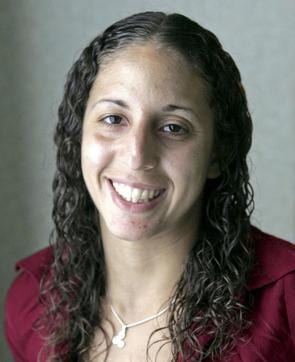
In a series of reported columns, Stockman wrote about the legacy of busing in Boston, which began there in 1974, and about the complex problems of race relations that persist today, in that city and throughout the country.
Editorial cartooning
Jack Ohman, The Sacramento Bee

For conveying wry, rueful perspectives through sophisticated style that combines bold line work with subtle colors and textures.
Editorial writing
John Hackworth, Sun Newspaper
For “fierce, indignant editorials that demanded truth and change” after a state prison inmate was beaten to death by 10 corrections officers. His editorials led to the resignations or dismissals of the corrections officers as well as changes in the prison’s administration.
Breaking news photography
Mauricio Lima, Sergey Ponomarev, Tyler Hicks and Daniel Etter from The New York Times, and Reuters’ photography staff
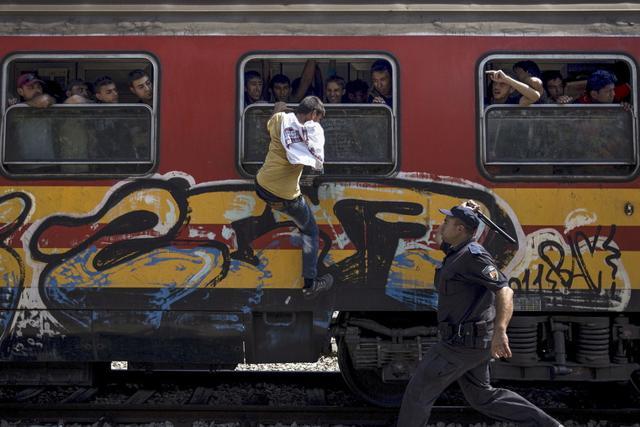
For documenting the huge scale of the migrant crisis as it swept across Europe and the individual pain of families finding their way in the turmoil.
Feature photography
Jessica Rinaldi, The Boston Globe

For her “raw and revealing” photographs of a 5-year-old boy struggling to regain his footing after nearly dying at the hands of his mother’s abusive boyfriend.
Drama
Lin-Manuel Miranda for ‘Hamilton’
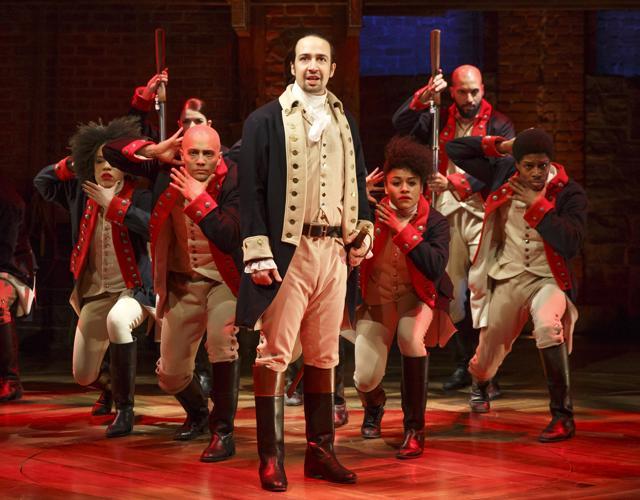
Miranda’s work, a musical about the life and death of Alexander Hamilton, is distinguished by its use of hip-hop music and a predominantly Hispanic and African-American cast to explore American’s revolutionary era.
Biography
William Finnegan for ‘Barbarian Days: A Surfing Life’
Finnegan’s memoir of over five decades on and off the waves was praised for taking readers “deep into unfamiliar worlds, some of them right under our noses.”
History
TJ Stiles for ‘Custer’s Trials: A Life on the Frontier of a New America’

For a “magisterial” biography that “radically changes our view of the man and his turbulent time,” looking past a tidy narrative that ends at Little Bighorn to take in America’s transformation in the 19th century.
General non-fiction
Joby Warrick for ‘Black Flags: The Rise of ISIS’
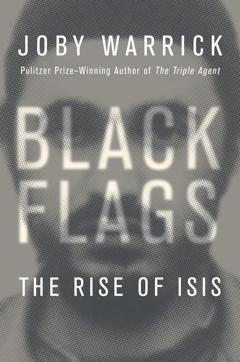
Warrick’s book explores how the United States’ flawed military strategy in Iraq helped fuel the rise of the terrorist group the Islamic State.
Fiction
Viet Thanh Nguyen for ‘The Sympathizer’
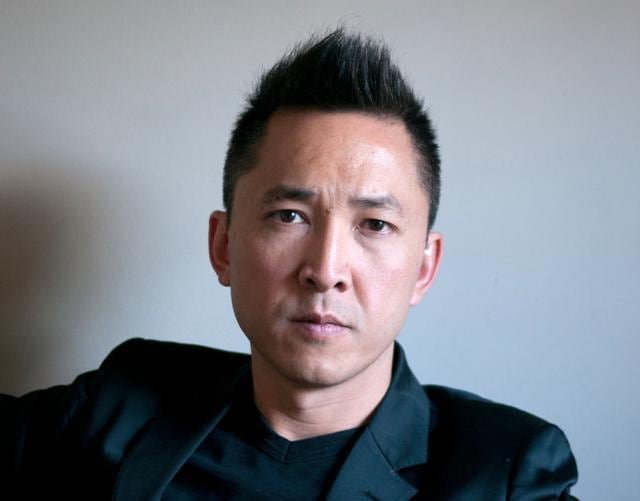
His debut novel, ‘The Sympathizer’, opens in 1975 in Saigon and is narrated by “the captain,” a Communist sympathizer who escapes to Los Angeles and spies on a South Vietnamese group he has infiltrated.
Music
Henry Threadgill for ‘In for a Penny, In for a Pound’
For this 2015 recording featuring his quintet, Zooid. The Pulitzer board described it as “a highly original work in which notated music and improvisation mesh in a sonic tapestry that seems the very expression of modern American life.”
Poetry
Peter Balakian for ‘Ozone Journal’
Balakian’s seventh book of poems, it is deeply rooted in thoughts about the Armenian genocide. The author, 64, traveled in 2009 to excavate the bones of victims in the Syrian desert.
Follow @htlifeandstyle for more.


