
 E-Paper



Review: The Eyes of Gaza by Plestia Alaqad
The author continued to report about Gaza even when she was forced to flee to Australia in late November 2023.

 Prefer HTon Google


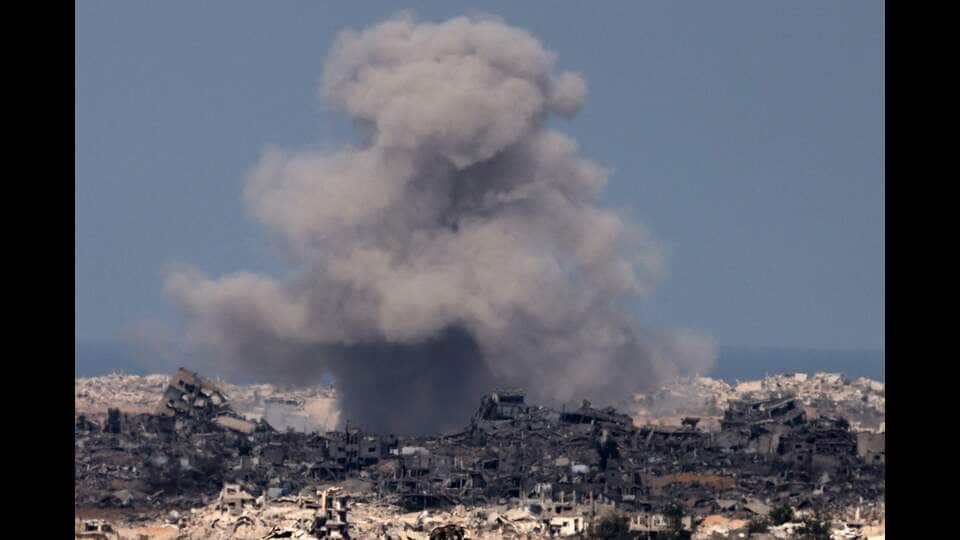
Plestia Alaqad, a 23-year-old Palestinian journalism graduate came to be known as “Eyes of Gaza” for her social media reporting following the large scale Israeli bombardments of Gaza after the Hamas attacks of October 7, 2023. This book also titled The Eyes of Gaza offers a personal history of the bombardment that has, until September 2025, killed more than 65,000 Palestinians and wounded 166,000, as per the records of Gaza’s ministry of health and other reputable sources.
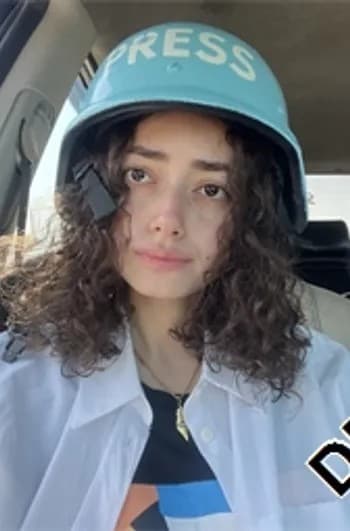
After studying New Media and Journalism at the Eastern Mediterranean University in Cyprus, Alaqad returned to Gaza in 2022 determined to show life there. Little did she know what lay ahead.
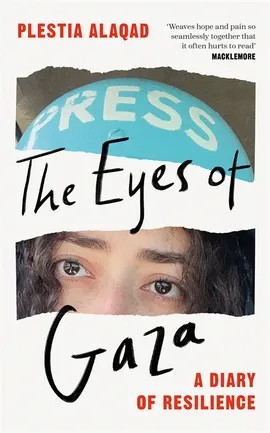
Written in the form of short diary entries that run from October 7 to November 2023, the book provide an intimate account of the loss of homes, loved ones, friends, colleagues, the constant bombardments and forced displacements. She writes about how ordinary people lived amid the ruins and large-scale devastation even as the death count continued to rise every day.
On the day after the beginning of the bombing, Alaqad and her family sleep with their windows open so they don’t break in case a building nearby is targeted. In an early entry, when people have just started losing their homes, she asks: “How many times is a person supposed to start from ground zero just because they’re Palestinian, living in Gaza? And how many houses can a Palestinian build and work on and turn into a home, only to have an Israeli decide to bomb it? Just because they can.”
Every day, she goes around town reporting, witnessing, hearing stories of destruction and displacement, of people terrified by the constant aerial bombardment. She meets people who have suddenly been rendered homeless helping others. She encounters children who play with electricity wires near destroyed apartment buildings. She meets a child who refused to part with his favourite plant, watering it after rescuing it from the rubble of his destroyed home.
Alaqad, who was recognized as one of BBC’s 100 Women of the Year and as One Young World’s Journalist of the Year in 2024, ruminates on how the international media and the eyes and ears of the world “aren’t interested in Palestinian life, only in Palestinian death”. She wants the world to “learn about our lives, not only our deaths.”
During her documentation, she also witnesses the horrors of Gaza’s hospitals, how healthcare workers struggle to cope with the huge number of the dead and injured even as they struggle with limited resources and frequent power outages. One entry points out how healthcare officials are using ice cream freezer trucks to store the dead bodies of those killed in airstrikes.
The author continued to report about Gaza even when she was forced to flee to Australia in late November 2023. The personal toll of bearing witness has been great: “On a daily basis, I’m torn between my role as a journalist - reporting on the genocide, spreading the message of my people to the world - and existing as a Palestinian.”
Rejecting the notion that her efforts to document and report are heroic, she states, “I feel like what I did was nothing compared to what was happening on the ground.” Alaqad believes she has documented “less than 10 percent of the struggles people in Gaza are going through.”
At least 181 Palestinian journalists and media workers have been killed in Gaza since the start of the war. Given that Israel isn’t allowing the international media to report from within Gaza, this book is a stellar effort at placing the truth out there in the public domain.
What especially sets the book apart is that it provides a counter narrative to the sanitized and often biased reportage by the international media. The Eyes of Gaza stands testament to the fact that the world failed to act in time to save thousands of Palestinians, among them many innocent children. It is an urgent wake-up call to the world’s conscience, if indeed such a thing still exists.
Majid Maqbool is an independent journalist based in Kashmir.


