India, 6th December 2021: Symbiosis Institute of Business Management, Bengaluru, organized an interactive session on Plastic Waste Awareness over Zoom on the 23rd of October, 2021. This event was organized by the Social Responsibility Committee (SRC) of the college, whose objective is to involve students in activities related to social awareness and personal development in the areas of environment, cleanliness, rural aid, and community service. The children of Home of Compassion, an NGO in Bengaluru, attended the session. The event's objective was to create awareness about the harmful effects of plastic usage and help the children understand how they can help reduce plastic consumption & waste.
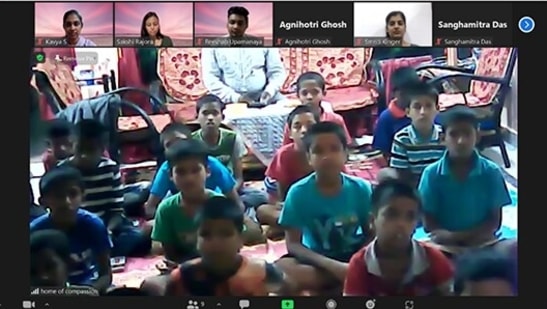
Plastic consumption has been on the rise since the 1990s. Today, the world produces more than 300 million tons of plastic waste every year – almost equal to the weight of the human population. India alone consumed 17 million tons of plastic in 2020. With nearly 80% of all plastic being accumulated in landfills, dumps, or the natural environment, learning about ways to reduce plastic consumption and waste management has become the need of the hour. Members of the Social Responsibility Committee explained all these facts to the children and made them aware of the gravity of the situation.
The event started with explaining to the children what plastics are and the different kinds of plastic products we use in our day to day lives. New concepts like single-use plastic, biodegradable and non-biodegradable items, microplastics, and waste segregation were introduced to the kids. The 5 R Mantra was also taught to them, which stands for Refuse, Reduce, Reuse, Recycle and Refine/Rethink. The children were taught how to put this mantra to practice through a fun animated video. This mantra is easy to remember, and applying it will help the children in managing their waste.
SRC members stressed on the topic of waste segregation, which means dividing waste into different categories, like wet waste, dry waste, e-waste, and sanitary/hazardous waste. When we segregate waste, it reduces the amount of waste that reaches landfills, thereby taking less space. Children were given different examples of each type of waste to help in better understanding; for instance, kitchen waste comes under wet waste, cardboards make up dry waste, and batteries will come under e-waste. Post the session, the NGO Coordinator agreed to segregate waste, get more involved in recycling plastics and other metals, and collaborate with other concerned NGOs regarding the same.
{{/usCountry}}SRC members stressed on the topic of waste segregation, which means dividing waste into different categories, like wet waste, dry waste, e-waste, and sanitary/hazardous waste. When we segregate waste, it reduces the amount of waste that reaches landfills, thereby taking less space. Children were given different examples of each type of waste to help in better understanding; for instance, kitchen waste comes under wet waste, cardboards make up dry waste, and batteries will come under e-waste. Post the session, the NGO Coordinator agreed to segregate waste, get more involved in recycling plastics and other metals, and collaborate with other concerned NGOs regarding the same.
{{/usCountry}}Marine Plastics, or plastics in the sea, is a big environmental issue. At least 8 million tons of plastic ends up in oceans every year. Children were made aware of the fact that if the current trends continue, by 2050, we will have more plastic in the sea than fish. The harmful effect plastic has on fish, and other marine life were elaborated, along with the measures that can be taken up, like cleaning beaches. The event concluded with an interactive question and answer session where the children asked the Social Responsibility Committee members some interesting questions. The children even shared all the things they learned during the session and the changes they will adopt to fight this war against plastic waste.
To measure the impact of the awareness programme, the NGO Coordinator was requested to provide data on plastic usage in their premises before and after the event. Upon analyzing the data, the Committee saw a drop in plastic consumption. The interaction between these young minds made this event very interesting and inspiring. The college realizes the importance of such issues and looks forward to organizing more such workshops in the future.
To know more visit: SIBM Bengaluru
Disclaimer: This content is distributed by SRV Media. No HT journalist is involved in creation of this content.