E-Paper



Bhopal records coldest November in 84 years, IMD issues cold wave alert in MP
The IMD has issued a cold wave alert in more than 30 districts in Madhya Pradesh for the next two days.

 Prefer HTon Google


Bhopal experienced an intense cold spell on Monday morning, breaking an 84-year-old record for November with a minimum temperature of 5.2 degrees Celsius, a meteorological department scientist said. Indore broke its 25-year record by registering 7.2 degrees celsius temperature.
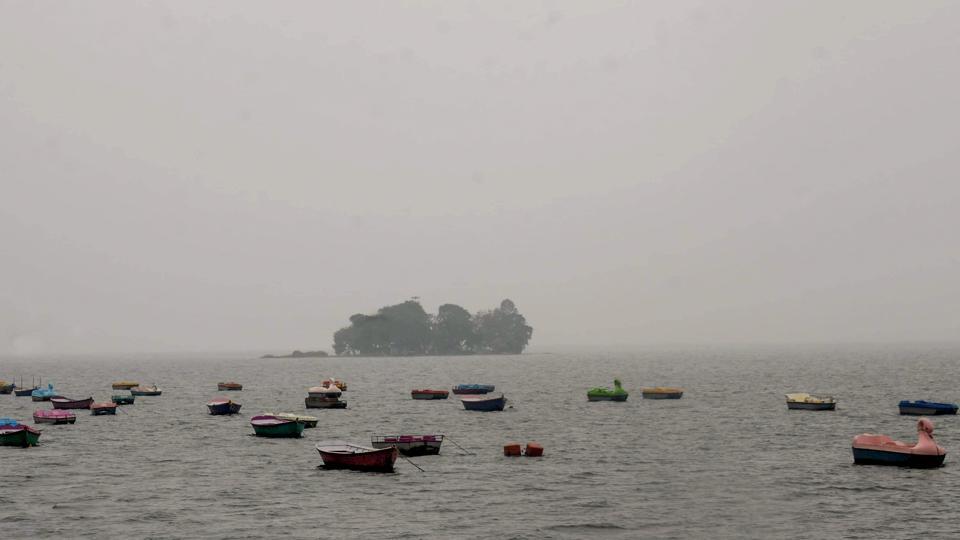
The India Meteorological Department (IMD) has issued a cold wave alert in more than 30 districts in Madhya Pradesh for the next two days as night temperatures are expected to dip to 12 degrees Celsius or below.
“Bhopal experienced its coldest November night in history at 5.2 degrees Celsius minimum temperature. According to a record available of 84 years, Bhopal never witnessed such a minimum temperature in November. Till now, the lowest temperature in November was recorded at 6.1 degrees Celsius on November 30, 1941,” IMD Bhopal scientist AKS Pandey said.
Bhopal recorded the second lowest temperature in MP after Rajgarh, which recorded 5 degree celsius.
“In Indore, the minimum temperature was recorded at 7.2 degrees celsius, its coldest in 25 years. The minimum temperature stood at 7.3 degree celsius on November 29, 2000,” the scientist said.
Clear sky and winds blowing from the northwesterly region of the Himalayas are believed to have caused this intense cold wave in the region. The people have also been warned of health issues as sudden such dip in night temperatures can have adverse effects on children and the elderly.
Bhopal district collector Kaushlendra Vikram Singh has ordered a change in school timings in wake of the cold wave. “I asked to make arrangements for a fire near the shelter with arrangements of warm cloth for destitute people,” Singh said.
Indore collector Shivam Verma too issued similar orders in the district.