
 E-Paper



Chandigarh Police propose adoption of Gujarat Prevention of Anti-social Activities Act
With a vision to mainly tighten noose around gangsters and anti-social elements involved in organised criminal activities, Chandigarh Police have sent a proposal to adopt the Gujarat Act to the Union ministry of home affairs through the UT administration


Rattled by the rise in gangster and drug trade activity in the city, the Chandigarh Police have proposed to adopt Gujarat’s Prevention of Anti-social Activities Act (PASA), 1985.
Giving more strength to the police, PASA aims to provide preventive detention of bootleggers, dangerous persons, drug offenders, immoral trafficking offenders and property grabbers for preventing their anti-social and dangerous activities prejudicial to the maintenance of public order.
With a vision to mainly tighten noose around gangsters and anti-social elements involved in organised criminal activities, Chandigarh Police have sent a proposal to adopt the Gujarat Act to the Union ministry of home affairs through the UT administration.
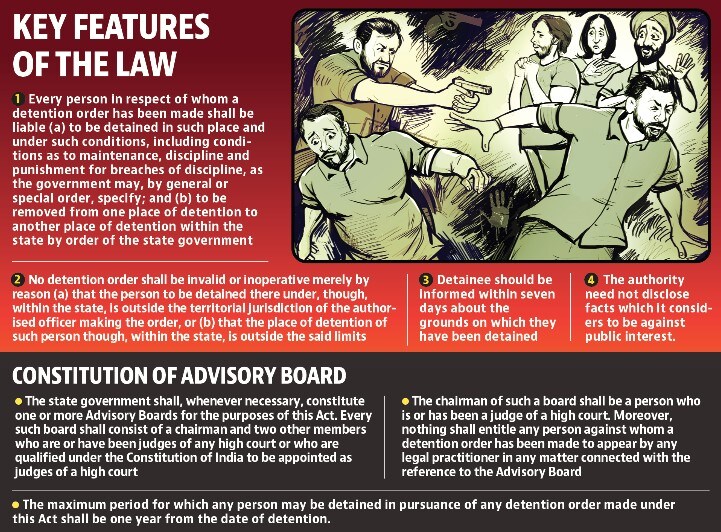
Explaining the process, officials said after vetting the proposal, the home ministry will present it before the Parliament. If passed there, the law will be extended to Chandigarh as done recently in Delhi.
Notably, there has been a significant spike in organised crime, including extortion and gambling rings, in the tricity recently.
Along with their Mohali and Panchkula counterparts, Chandigarh Police have uncovered various extortion rackets being run by gangsters, even those sitting behind bars, mostly targeting businessmen residing or operating in Chandigarh, Mohali, Panchkula and other parts of Haryana.
Among the multiple gangsters arrested, most owe allegiance to the Lawrence Bishnoi, Davinder Bambiha and Janta gangs, and had even opened fire at a few after they refused to meet their extortion demands.
The operation cell of UT police had recently arrested Bishnoi’s aide, Deepu Banur, who along with gangster Kali Shooter, a cousin and a muscleman, would target tricity-based businessmen.
“The UT administration has forwarded our proposal to the ministry of home affairs for adopting PASA as we aim to tackle gangsters or other organised criminals with a stern law. In case we recover weapons from gangsters, they are booked under the Arms Act and get bails. In case we adopt PASA, there will be stricter bail provisions, as public safety and maintaining law and order is our main motive,” said superintendent of police (SP) Ketan Bansal.
He added that there would also be a need for a strong regulatory mechanism to avoid misuse of the Act.
In response to the police proposal, MHA had also sought a reply on why they were keen to adopt PASA and not other similar acts, such as Maharashtra Control of Organised Crime Act (MCOCA).
“In our recent letter to MHA, we submitted that since we found PASA more stringent and effective than other acts, it was more suited to the crime situation in Chandigarh, which is the capital of two states. We also thought of adopting MCOCA, but finally picked PASA. We will expedite the process now,” a senior police officer stated.
The officer added that since Punjab was yet to come up with PCOCA, they had opted for PASA to rein in organised crime.


