Amid a rise in H1N1 (swine flu) cases in several parts of the country, Punjab has recorded 93 confirmed infections since late July, with the majority reported in Ludhiana, the state’s most populous district.
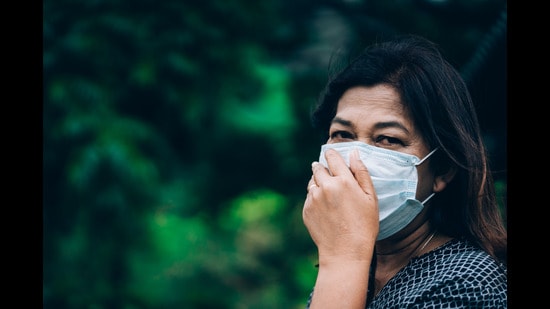
The figure is sharply higher than last year, when the state had recorded only seven swine flu cases up to the end of September 2025, according to Union health ministry data.
Describing the infections as part of the seasonal influenza pattern, Punjab health minister Dr Balbir Singh on Saturday said only some patients had so far required hospitalisation.
“It is like seasonal influenza. Cases are on the rise throughout the country and Punjab is no exception. We have already established isolation wards in government hospitals. Teams are on the ground and surveillance has also been increased,” the minister said.
The National Centre for Disease Control has issued technical guidelines to states on H1N1, including protocols for patient categorisation, home care, clinical management, sample collection and laboratory testing.
H1N1, commonly known as swine flu, is a strain of Influenza A virus that causes respiratory infection.
{{/usCountry}}H1N1, commonly known as swine flu, is a strain of Influenza A virus that causes respiratory infection.
{{/usCountry}}Its symptoms can resemble those of other viral respiratory illnesses and commonly include fever, cough, runny nose, sore throat, body ache, headache, chills and fatigue.
While most healthy people recover with rest and symptomatic treatment, it can become serious in young children, elderly people, pregnant women and those with underlying health conditions, according to health experts.
Doctors at Ludhiana’s Dayanand Medical College and Hospital (DMCH) have reported a noticeable rise in patients presenting with seasonal influenza and other viral infections.
The rise in Ludhiana is significant as a recent study of H1N1 trends in Punjab found the district had recorded the highest number of cases in the state in 2022, 2023 and 2024.
A doctor at Government Rajindra Hospital in Patiala also said there had been a noticeable rise in patients reporting fever, cough, body ache and other symptoms associated with viral infections.
State nodal officer Dr Manmeet Kaur did not respond to repeated messages seeking details on the latest statewide surveillance data.
Health experts have advised people with persistent or severe respiratory symptoms to seek medical attention, particularly if they develop breathing difficulty or other warning signs.