Amid the paddy sowing season, experts at Punjab Agricultural University’s (PAU) have flagged the popularity and acceptance of rice variety PR 126 among Punjab farmers.
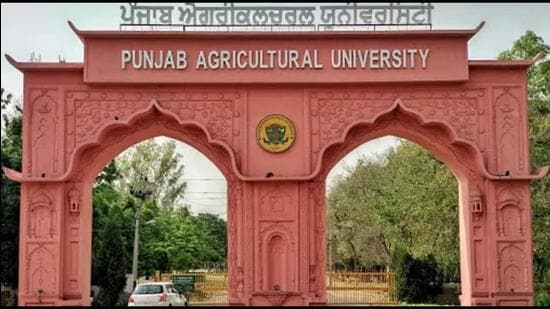
PAU experts noted that 43% of the state’s rice area was covered with cultivation of PR 126 in 2024. Developed by PAU and released in 2017, PR 126 addresses major challenges like falling water tables, pest management, and milling quality demands.
This variety requires significantly less water and produces lower straw load compared to traditional varieties. Its short duration—maturing in 93 days—enables farmers to save 3-4 weeks in the crop cycle, providing a wider window for wheat sowing. The variety’s early maturity also helps it avoid major pest and disease attacks, reducing production costs and improving profitability.
A survey conducted during the 2024 Kharif season revealed yields ranging from 25 to 37.2 quintals per acre. Higher yields, between 29 and 37.2 quintals, were recorded when farmers adhered to PAU’s recommended practices: nursery sowing in late May to early June and transplanting 25-30 day-old seedlings from late June to mid-July. Transplanting beyond mid-July, especially after summer maize, led to reduced yield, increased grain moisture, and poor milling quality.
PAU trials confirm that transplanting seedlings older than 30 days causes a significant yield drop—up to 18.9% for 45-day-old seedlings. Quality parameters for procurement, as defined by the Food Corporation of India (FCI), include grain moisture below 17%, low admixture, and minimal damaged grains. PR 126 consistently meets these standards.
{{/usCountry}}PAU trials confirm that transplanting seedlings older than 30 days causes a significant yield drop—up to 18.9% for 45-day-old seedlings. Quality parameters for procurement, as defined by the Food Corporation of India (FCI), include grain moisture below 17%, low admixture, and minimal damaged grains. PR 126 consistently meets these standards.
{{/usCountry}}Experts emphasise that transplanting PR 126 beyond July 15 is inadvisable due to the risk of lower yield and compromised grain quality. Adherence to PAU’s guidelines on seedling age and transplanting timing remains crucial for maximizing the variety’s potential.