The number of people seeking treatment for drug addiction at Punjab’s Outpatient Opioid-Assisted Treatment (OOAT) clinics continues to rise, with fresh registrations showing an uptick of nearly 12% in the first nine months of 2026 compared to the corresponding period last year.
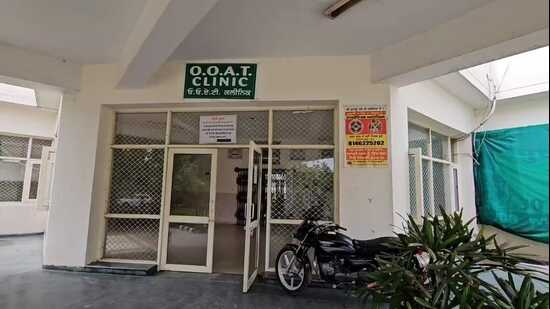
According to health department data, 14,471 new patients registered at the state’s 529 OOAT clinics between January and September this year, against 12,941 during the same duration in 2025 — representing an increase of 1,530 fresh registrations.
The figure is also significantly higher than the 10,187 new registrations recorded during the corresponding nine-month period in 2024, marking a rise of around 42% over two years.
While the numbers point to continued influx of patients even after nearly nine years of OOAT programme’s roll-out in 2017, it also reflects greater awareness of available treatment facilities, improved outreach and a growing willingness among drug users to seek medical help.
The figures come amid the Punjab government’s intensified anti-drug campaign, “Yudh Nashian Virudh”, launched in March 2025 and built around a three-pronged strategy of Enforcement, De-addiction and Prevention.
Launched in October 2017 as a pilot project in Amritsar, Tarn Taran and Moga, the OOAT programme was expanded across Punjab in 2018.
{{/usCountry}}Launched in October 2017 as a pilot project in Amritsar, Tarn Taran and Moga, the OOAT programme was expanded across Punjab in 2018.
{{/usCountry}}The clinics provide outpatient treatment to people dependent on opioids through prescribed medication, including a combination of buprenorphine and naloxone, along with counselling.
Unlike inpatient de-addiction facilities, patients can receive treatment while continuing their routine lives.
The patient footfall at these clinics has also remained high. During January-September 2026, OOAT clinics recorded a cumulative footfall of a staggering 2.5 crore visits, up 2.7% from 2.44 crore in 2025. The figure stood at 2.11 crore in the first nine months of 2024.
Dr Sandeep Bhola, nodal officer, OOAT programme, did not respond to repeated calls and messages.