In wake of the recent assault on a six-year-old girl by her schoolmate at a government school in Panchkula, the block education officer (BEO) has issued a 32-point safety directive to all government schools, making school heads and teachers accountable for students’ safety during school hours.
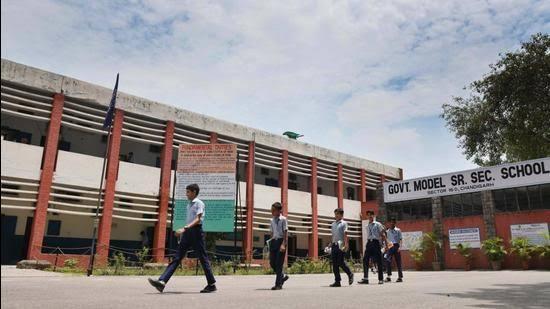
Under the guidelines, teachers must report to school at least 15 minutes before the scheduled opening time. After marking attendance, they must proceed to their classrooms instead of sitting in the staffroom. Teachers without a scheduled class during a particular period must supervise overall discipline in the school.
Class teachers must accompany students to the morning assembly and ensure they move in queues. If a class teacher is absent, the school head must arrange an alternative teacher to ensure that no class remains unattended.
Teachers must also accompany students during the mid-day meal break and supervise their movement to and from the dining area. Separate seating arrangements must be made for Balvatika and Class 1 students while meals are served. Student attendance must be checked twice daily, particularly after recess. Teachers taking the last period must ensure that no student is left behind in the classroom and that rooms are locked only after being thoroughly checked.
The teacher in charge of the final period must also ensure that Balvatika students are handed over to their parents or guardians. If a child remains on the school premises after closing time, the teacher and school head concerned must stay back until the child is safely handed over.
{{/usCountry}}The teacher in charge of the final period must also ensure that Balvatika students are handed over to their parents or guardians. If a child remains on the school premises after closing time, the teacher and school head concerned must stay back until the child is safely handed over.
{{/usCountry}}Parents and autorickshaw drivers must be instructed to wait for children at the main gate and refrain from entering classrooms. Schools operating in double shifts must maintain separate entry and exit points to prevent congestion and ensure students’ safe movement.
To prevent accidents and injuries, school authorities have been directed to remove bricks, stones, flower pots, blades, scissors, rods, pipes, wooden sticks, broken benches and other potentially dangerous objects from classrooms, corridors and areas accessible to children. Door stoppers must be used to secure doors instead of bricks or other objects.
Students visiting washrooms or drinking water facilities must be issued passes. Teachers must seek an explanation if a student does not return within the stipulated time.
School heads must ensure that CCTV cameras remain functional and additional cameras are installed wherever required. Regular inspections of classrooms and playgrounds must be conducted, while multi-storey schools must ensure supervision on every floor.
The guidelines stress the need to monitor changes in students’ behaviour. If a teacher notices that a child is unusually quiet, withdrawn or behaving abnormally, the teacher must contact the parents, obtain a status report and consult a psychologist or counsellor wherever necessary. They must also sensitise students and parents about the responsible use of electronic and social media.
Teachers have been prohibited from using mobile phones for personal purposes inside classrooms.
The instructions have been circulated to all principals, headmasters, school heads, head teachers, drawing and disbursing officers and school in-charges in Block Pinjore. They were also warned that school authorities and teaching staff will be held responsible for any lapse in implementing the directions.