Following an appeal from People for the Ethical Treatment of Animals (PETA) India, the director general of animal husbandry and dairying, Haryana, issued a circular instructing officials concerned to comply with advisories circulated by the Animal Welfare Board of India (AWBI) against glue traps for catching rodents.
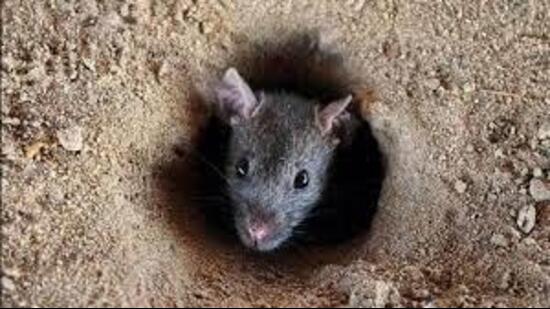
The circular cites Section 11 of The Prevention of Cruelty to Animals Act, 1960, which prohibits causing unnecessary pain and suffering to animals.
“PETA India applauds the Haryana government for taking steps to protect animals, no matter how small, and for urging compliance with the law,” says PETA India Advocacy Officer Farhat Ul Ain. “Glue traps are ineffective in the long term because they don’t address the underlying issue. Instead, more rats and mice move in to fill the void traps create, as a temporary increase in the food supply prompts them to breed. The result is a vicious killing cycle in which many animals suffer and die.”
In its appeal, PETA India requested that the state take immediate steps to implement the AWBI’s directions against glue traps. Haryana is the latest of 27 states and union territories to issue directives against these cruel and illegal sticky traps. Similar circulars taking action on these traps have been issued by the governments of Andaman and Nicobar Islands, Andhra Pradesh, Arunachal Pradesh, Chhattisgarh, Delhi, Goa, Gujarat, Himachal Pradesh, Jammu and Kashmir, Jharkhand, Karnataka, Ladakh, Lakshadweep, Madhya Pradesh, Maharashtra, Manipur, Meghalaya, Mizoram, Odisha, Punjab, Sikkim, Tamil Nadu, Telangana, Tripura, Uttarakhand, and West Bengal.
Usually made of plastic trays or sheets of cardboard covered with strong glue, these traps are indiscriminate killers that frequently ensnare non-target animals. This makes their use also a violation of the Wild Life (Protection) Act, 1972, which prohibits the “hunting” of protected indigenous species. Mice, rats, and other animals caught in these traps may suffocate when their noses and mouths become stuck in the glue, while some even chew through their legs in a desperate bid for freedom and die from blood loss. Others starve to death after being stuck to the board for days. Those found alive may be thrown away along with the trap or face an even more traumatic death, such as bludgeoning or drowning.
{{/usCountry}}Usually made of plastic trays or sheets of cardboard covered with strong glue, these traps are indiscriminate killers that frequently ensnare non-target animals. This makes their use also a violation of the Wild Life (Protection) Act, 1972, which prohibits the “hunting” of protected indigenous species. Mice, rats, and other animals caught in these traps may suffocate when their noses and mouths become stuck in the glue, while some even chew through their legs in a desperate bid for freedom and die from blood loss. Others starve to death after being stuck to the board for days. Those found alive may be thrown away along with the trap or face an even more traumatic death, such as bludgeoning or drowning.
{{/usCountry}}PETA India said that the best way to control rodent populations is to make the area unattractive or inaccessible to them: eliminate food sources by keeping surfaces and floors clean and storing food in chew-proof containers, sealing trash cans, and using ammonia-soaked cotton balls or rags to drive rodents away (they hate the smell). Rodents can also be removed using humane cage traps but must be released where they will find adequate food, water, and shelter to help them survive.