E-Paper



Delhi on alert as Hathnikund water flow set to increase
On Monday morning, the discharge flow from the barrage crossed 50,000 cusecs, the first time since July 26

 Prefer HTon Google


With incessant rains in Himachal Pradesh and Uttarakhand, the water released into the Yamuna from the Hathnikund barrage increased significantly on Monday morning, raising fears of possible flooding downstream, especially in the national Capital.
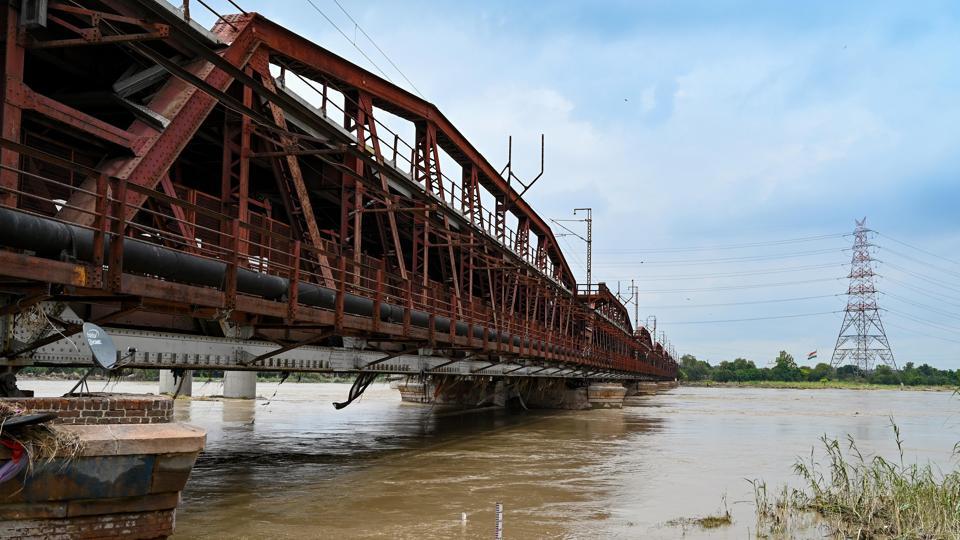
For now, however, water levels remained under control in Delhi and officials said the irrigation and flood control department will monitor the situation. Water released from the barrage takes up to 48 hours to impact the Capital.
On Monday morning, the water discharge from the barrage crossed 50,000 cusecs for the first time since July 26. A flood alert is issued only when this goes beyond 100,000 cusecs, according to officials.
In July, the worst of the flooding in Delhi was afterover 200,000 cusecs of water was released from the barrage for over several hours.
At 9pm, the river was flowing at 203.37m at the Old Delhi Railway Bridge, well below the danger level of 205.33m.
“Since the water flow has increased significantly from just 7,600 cusecs at 1am to over 75,688 cusecs at 9am, some impact will be seen in water levels over the next two to three days but situation is likely to remain under control if the rainfall in hills subsides,” an official in the irrigation and water department said, asking not to be named.
Another official from the department said a forecast by the Central Water Commission suggests that the water level may touch the warning mark of 204.5 metres on Wednesday.
A Delhi government spokesperson said that the water discharge will not pose a problem for the city.
Officials said that the jammed gates at the ITO barrage were now open, after a month-long effort by personnel of the Indian Army and the Navy.
An I&FC official said the final gate was opened at on Saturday evening. On July 13, the Delhi government had flagged that five of the 32 regulator gates at the ITO barrage, which is managed by the Haryana government, were jammed, leading to waterlogging at the busy ITO section.
“The assistance of the Navy team was requested by the government on the July 14, in response to the increasing water levels of the Yamuna River... the last remaining Gate 28,29 were opened on August 12,” the official added.
Meanwhile, the government spokesperson said, “The departments are on alert... We expect the government of Haryana to keep Delhi posted in case they release high volumes of water into the Yamuna. We also expect the Haryana government to distribute water into the canal flowing towards UP also.” The city is preparing to host world leaders from G20 nations in the second week of September, making the threat of floods a particularly important area for the administration to pay attention to.