Kolkata Metro Railway, which has relied on steel Third Rail for four decades, is now upgrading to composite Aluminium Third Rail for all new and existing corridors. This transition will place Kolkata among prestigious metros such as those in London, Moscow, Berlin, Munich, and Istanbul, all of which have made the shift.
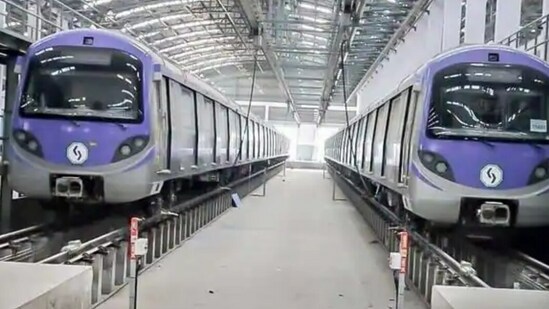
“Metro Railway Kolkata has floated a tender for replacement of existing Third Rail, in the first phase to cover the section between Dumdum to Shyambazar,” an official statement said.
It added that the second phase work would be taken up from Shyambazar to Central and J D Park to Tollygunge. Thereafter, in the third phase, the section between Mahanayak Uttam Kumar (Tollygunge) to Kavi Subhash (New Garia) shall be taken up.
“Total 35 Route Km main line steel Third Rail shall be replaced in stages,” Centre said in the statement.
What is a Third Rail?
A third rail is a method of providing electric power to trains, trams, and other rail vehicles. It involves placing an additional rail, often located near the ground, alongside or between the two main rails of a railway track. This third rail carries the electrical current that powers the train's electric propulsion system.
Why is the Kolkata Metro going for aluminium composite Third Rail?
Replacing steel Third Rail with aluminium composite Third Rail, Centre said there are advantages like:-
{{/usCountry}}Replacing steel Third Rail with aluminium composite Third Rail, Centre said there are advantages like:-
{{/usCountry}}Reduced Energy Loss: The composite Aluminium Third Rail significantly lowers resistive current loss and enhances traction voltage levels, given the substantially higher resistance of steel Third Rail.
Efficiency Gains: A 10 km corridor equipped with Aluminium composite Third Rail requires one less Traction Substation compared to steel Third Rail, resulting in a direct capital saving of approximately ₹210 Crores for a 35 km metro corridor.
Enhanced Performance: The reduced voltage drop facilitates quicker acceleration with the same metro setup, improving overall operational efficiency.
Lower Maintenance Costs: Unlike the steel counterpart, the composite Third Rail negates the need for repainting every five years, while reducing the frequency of dimension measurement and the risk of damage from rust.
Elevated Train Operations: Train operations benefit from improved efficiency and headway, contributing to smoother and more punctual journeys.
Sustainable Impact: The adoption of the composite Aluminium Third Rail brings substantial energy efficiency gains and a considerable reduction in the metro's carbon footprint, potentially saving around 6.7 million energy units annually.