: Uttar Pradesh has proposed mandatory quality checks on blood units procured in bulk from other states after inspections found serious lapses at blood centres, raising concerns over infection screening, transportation and documentation.
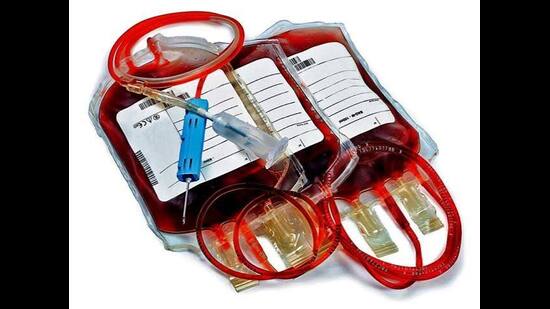
The Uttar Pradesh Food Safety and Drug Administration (UPFSDA), in a proposal sent by commissioner Roshan Jacob to the National Blood Transfusion Council (NBTC), has recommended testing at least 1% of every consignment, or a minimum of one unit, whichever is higher, at a government blood centre in the presence of a drug inspector.
The move follows inspections of 208 blood centres in March 2026, which led to the suspension of licences of 55 centres.
Inspectors found missing infection-test reports, donor forms, transportation temperature records and inadequate labelling, making it difficult to verify the safety and source of blood units, particularly packed red blood cells (PRBC).
Unsafe blood transfusions can transmit HIV and hepatitis B and C. Under existing guidelines, supplier centres conduct infection screening, while recipient centres check compatibility before transfusion.
UPFSDA has also proposed mandatory advance intimation to drug inspectors, clear labelling of transferred units, transportation temperature records and documentation tracing each unit from donor to recipient.
{{/usCountry}}UPFSDA has also proposed mandatory advance intimation to drug inspectors, clear labelling of transferred units, transportation temperature records and documentation tracing each unit from donor to recipient.
{{/usCountry}}Assistant commissioner FSDA Brijesh Singh said donor and recipient records, including prescribed Aadhaar details and linked mobile numbers, must be maintained. Pilot-tube segments and patient blood samples must be preserved for at least seven days.
Under the NBTC guidelines issued on October 28, 2015, supplier blood centres are generally responsible for infection testing, while recipient centres conduct cross-matching to establish compatibility before transfusion. The transfer framework also requires appropriate transportation and storage conditions, donor consent for use beyond the original centre, and maintenance of traceability records. UPFSDA’s proposal seeks to reinforce these safeguards.