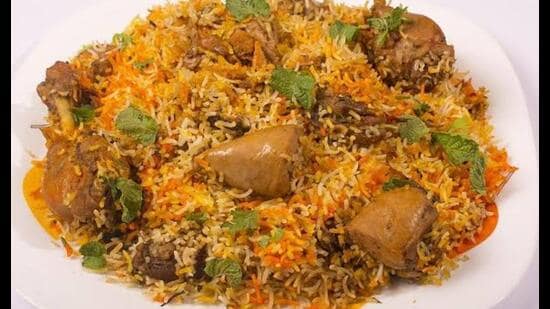
From brightly coloured biryani and tandoori dishes to red chutneys, sweets and cotton candy, the Uttar Pradesh Food Safety and Drug Administration (FSDA) has tightened its watch on the use of unauthorised colouring agents in food, directing businesses to comply with prescribed safety standards or face legal action.
The guidelines, issued on the directions of FSDA commissioner Dr Roshan Jacob, prohibit non-food colours such as Rhodamine-B and restrict the use of approved synthetic colours to food categories where they are permitted. The directions cover sweet shops, restaurants, hotels, bakeries, dhabas, food manufacturers and street food vendors.
The department has called for special vigilance against prohibited dyes in cotton candy, popularly known as budhiya ke baal, ice golas, chutneys, tandoori preparations and brightly coloured snacks. Food business operators have also been directed to measure colouring agents using digital weighing scales instead of adding them by estimation. Where accurate measurement is not possible, artificial colours should not be used.
Chutneys, tandoori dishes under scrutiny
Street food vendors have been advised to use natural ingredients such as tomatoes, beetroot, coriander and mint to obtain colour and flavour in chutneys served with samosas, chaat, momos and rolls. Industrial dyes must not be used to give an intense red colour to chicken tikka, kebabs, chaap, biryani and fried fish. Kashmiri red chilli and deggi mirch may be used, subject to applicable food safety requirements.
The guidelines specifically prohibit Rhodamine-B in cotton candy and ice golas. The dye is used in textile and paper dyeing, and its unauthorised use in food is prohibited.
{{/usCountry}}The guidelines specifically prohibit Rhodamine-B in cotton candy and ice golas. The dye is used in textile and paper dyeing, and its unauthorised use in food is prohibited.
{{/usCountry}}Colour use restricted by food category
Referring to the Food Safety and Standards (Food Products Standards and Food Additives) Regulations, 2011, the FSDA said permitted colours must be used within prescribed limits. For certain sweets and confectionery products, the general maximum limit for permitted synthetic colours is 100 milligrams per kilogram, subject to category-specific provisions.
Added colours are prohibited in several food items, including milk, plain curd, paneer, fresh fruits, raw vegetables, infant food, natural fruit juice, packaged drinking water, ground spices, tea, coffee, cereals, pulses, flour, plain bread, edible oils, jaggery, honey and dry fruits. The list also includes cooked foods such as dal, vegetables, biryani, chutney and French fries.
Assistant commissioner FSDA VP Singh said the department had identified Metanil Yellow, Butter Yellow, Malachite Green, Auramine, Orange-II and Sudan dyes, besides Rhodamine-B, among prohibited colours.
Food businesses have been directed to buy colouring agents only from authorised sources, verify labels and licence details, and preserve invoices and batch numbers for inspection. The use of prohibited colours, violations of permitted limits and other non-compliance may invite action under the Food Safety and Standards Act, 2006, UP FSDA said.