The Food Safety and Drug Administration (FSDA) has ordered production to stop at packaged drinking water units linked to 57 microbiologically unsafe samples detected during a statewide inspection drive conducted over a week. Another 146 samples failed to meet prescribed quality standards out of 242 tested across Uttar Pradesh.
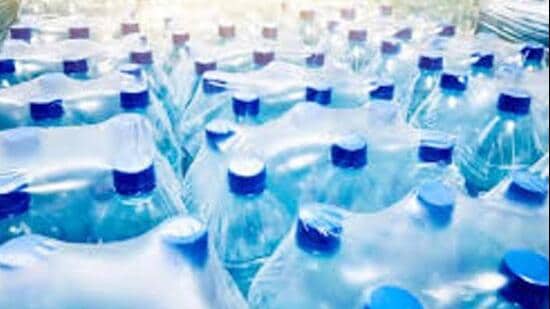
In an order issued on Tuesday, FSDA commissioner Roshan Jacob directed officials to suspend the food licences of units linked to unsafe samples. Units found producing substandard water have been served improvement notices and asked to bring their products in line with prescribed standards.
Laboratory findings reportedly indicated the presence of potentially harmful contaminants, including E. coli, coliform bacteria, yeast and mould.
“Water is a product that consumers buy with trust in its purity and safety. Any contamination directly affects consumer confidence,” Jacob said, underlining the need for strict compliance with food safety standards.
Unsafe samples in 39 districts
Unsafe samples were traced to manufacturing units in 39 districts. Ghaziabad and Hapur recorded four each, followed by Gautam Buddha Nagar and Ayodhya with three each.
Two unsafe samples each were reported from Lakhimpur Kheri, Prayagraj, Bareilly, Bijnor, Jaunpur, Hathras, Shravasti and Siddharthnagar.
{{/usCountry}}Two unsafe samples each were reported from Lakhimpur Kheri, Prayagraj, Bareilly, Bijnor, Jaunpur, Hathras, Shravasti and Siddharthnagar.
{{/usCountry}}Lucknow was among the districts where one unsafe sample was detected. Other districts reporting one each included Hardoi, Amethi, Barabanki, Ambedkar Nagar, Kanpur Nagar, Shahjahanpur, Baghpat, Moradabad, Rampur, Gorakhpur, Deoria, Varanasi, Aligarh, Bahraich, Azamgarh, Jhansi and Agra.
The list of substandard samples showed a wider spread of quality failures. Chandauli topped the list with 12 samples failing to meet prescribed standards. Ayodhya, Barabanki, Ghaziabad and Jaunpur reported eight each, followed by Kanpur Nagar with seven. Agra and Bareilly recorded six each, while Prayagraj and Varanasi had five each.
5 batches must pass before production resumes
Units linked to unsafe samples must rectify the deficiencies and get five batches tested under the prescribed testing scheme. Each batch must comprise 1,000 bottles. Production can resume only after the samples meet the required standards, officials said.
Units producing substandard water have been given one week to address the deficiencies and must get three batches tested to demonstrate improvement.
According to officials, assistant commissioners (food) will inspect the units after corrective measures are completed and submit verification reports to the department headquarters. Units that fail to improve within the stipulated period will face legal action under the Food Safety and Standards Act, 2006.