Suez India Limited -- the company entrusted with the task of Lucknow’s sewage management -- is mulling to make written permission from corporator of area, sanitation supervisor of area and safety officer of the firm mandatory before any sanitation worker enters a sewer chamber.
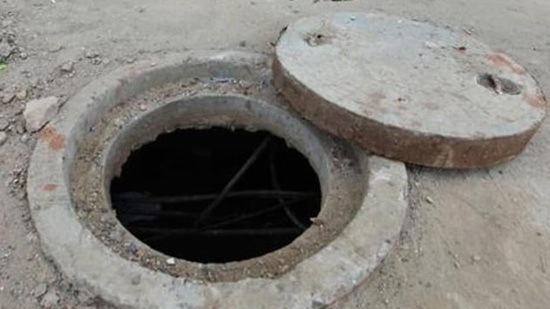
The move comes close on the heels of death of two sanitation workers in Saadatganj area on March 29 when they had entered a manhole sans proper gear.
“We are preparing a proposal in which permission of our security officer, area corporator and sanitation supervisor would be essential before any sanitation worker enters sewer chamber. The sanitation worker must have all safety equipment, including oxygen cylinder, before entering sewer chamber,” said Rajesh Mathpal the project director Suez India Limited.
The step has been planned to ensure safety of sanitation workers. This would mean that there would be no entry of sanitation workers into sewer without written consent of corporators who are public representatives, said Mathpal.
Leader of opposition in LMC house Sayyed Yawar Hussain Reshu said, “Corporators have always supported the demands of safety of sanitation workers who put their lives at risk while doing their jobs. Along with this, they must be provided with uniform, safety helmet, shoes, eyewear, gloves and mask. Additional safety gear like waterproof suits, oxygen masks, safety belts, gumboots, must also be made available to the workers, to ensure their safety.”
Additional municipal commissioner Pankaj Singh said, “All we want is safety of sanitation workers. Let the company come out with the proposal we will surely adopt it if it ensures the safety of sanitation workers. At the same time we also want the company to spend on the health of their staff because they are at great risk of contracting diseases like cholera, hepatitis, tuberculosis and typhoid as they are in direct contact with sewage.”
{{/usCountry}}Additional municipal commissioner Pankaj Singh said, “All we want is safety of sanitation workers. Let the company come out with the proposal we will surely adopt it if it ensures the safety of sanitation workers. At the same time we also want the company to spend on the health of their staff because they are at great risk of contracting diseases like cholera, hepatitis, tuberculosis and typhoid as they are in direct contact with sewage.”
{{/usCountry}}