The local population is more prone to contracting Covid-19, suggested a study conducted by the community medicine department of Dayanand Medical College and Hospital (DMCH) in Ludhiana.
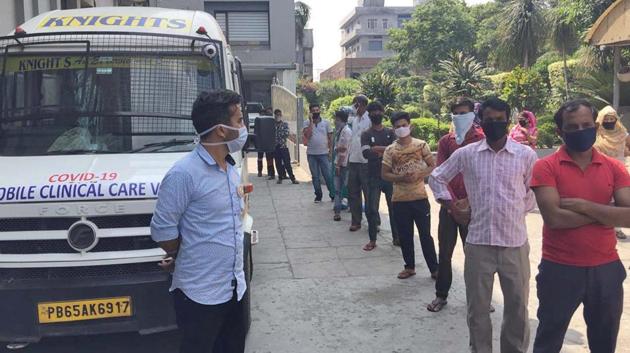
The study that covered Ludhiana’s population has also pointed out that while migrants are getting themselves tested, the native Punjabis have expressed reluctance in undergoing examination.
Dr Anurag Chaudhary, professor and head of community medicine department, said, “It was found that as compared to migrants, the Punjabi population is at more risk. The prevalence of diabetes and hypertension was relatively less among the migrant labourers as compared to the locals. So, they are more vulnerable,” said Dr Chaudhary.
The department had started screening from August 26 and carried out more than 8,000 rapid antigen tests. Among those who underwent tests, only 237 migrants were found positive.
Dr Chaudhary said it was found that during initial days, in the first and second weeks of September, daily count of Covid positives detected was high, while the number started declining gradually by third and fourth weeks.
“We had carried out testing drives in factories and labour quarters across the city to find out the prevalence of virus among the migrant and marginalised population. During these drives, migrants were more forthcoming in getting themselves tested, while the Punjabi workers were reluctant. Other health tests conducted on migrants showed that they had high immunity levels as compared to the locals,” said the doctor.
Locals’ reliance on self-medication
{{/usCountry}}Locals’ reliance on self-medication
{{/usCountry}}It was also found that rather than getting themselves tested, the native workers were relying on self-medication.
“That is one of the reasons behind the high mortality rate in the district. There is prevalence of hypertension and diabetes among the local population due to its eating habits. Then there are issues of avoidance of tests and self-medication. These are the reasons why many patients are rushed to hospitals in critical condition,” said Dr Chaudhary.
DMCH’s department of community medicine was enrolled by the state government under its ‘Mission Fateh’ campaign to carry out Covid testing on a wide scale and coordinate with the government and other agencies to arrest the growth of the virus further, he added.
The doctor said that faculty, residents and staff members of the department of community medicine had been regularly visiting high-risk areas such as factories and other such establishments.