
 E-Paper



BMC dedicates 250% more funds to SWM than last year
In its annual civic budget, BMC allotted ₹4,531 crore for Solid Waste Management (SWM), which is nearly 10 per cent of the overall ₹45,949 crore budget

 Prefer HTon Google


Mumbai In a flagship move, the Brihanmumbai Municipal Corporation (BMC) announced the ‘SWM vision 2030’ campaign, which would focus on creating a conducive environment for a decentralised waste management infrastructure.
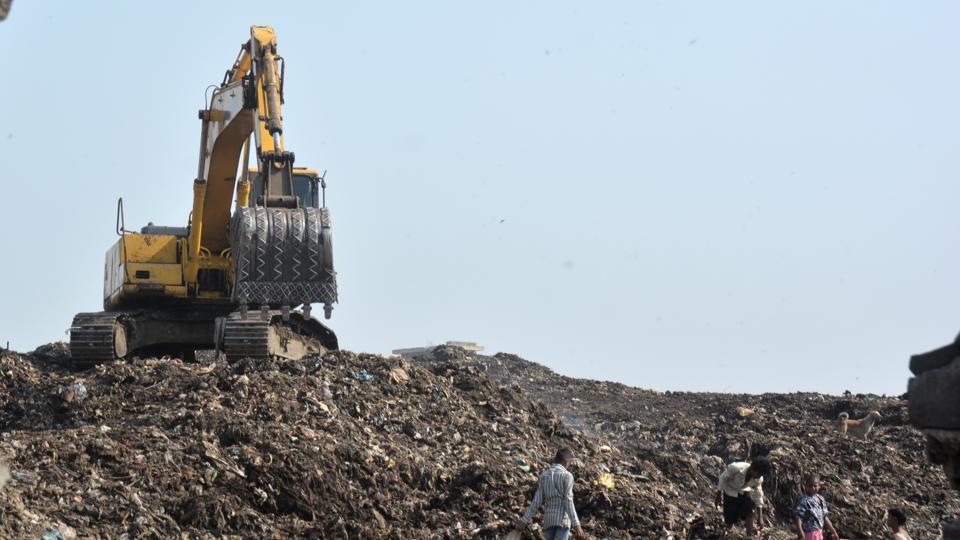
In its annual civic budget, BMC allotted ₹4,531 crore for Solid Waste Management (SWM), which is nearly 10 per cent of the overall ₹45,949 crore budget. The capital expenditure proposed this year is ₹ ₹1,460 crore, which is nearly 250 per cent more than what was allotted last year. This department has also received the second-highest allocation in terms of funds this year, after the public health department.
With the ‘SWM Vision 2030’, the BMC has envisioned to achieve a reduction in 30 per cent of regular waste generation annualy. The BMC in its budget statement said that the primary objective will be setting up decentralised waste segregation units at the municipal ward level and encouraging the resident welfare associations and commercial establishments to take up waste segregation at the source.
A similar program, ‘Vision 2025’ was launched by the BMC in the previous decade but the project didn’t take off. However, municipal commissioner Iqbal Singh Chahal said that the groundwork for the current flagship programme is already underway and the target will be achieved within the estimated period.
“The earlier programmes were launched during 2015-16 but didn’t work out. The pandemic had also hit us two years back, which lead to some of the important projects getting stalled. This is why we have taken a fresh approach towards this plan and intend to achieve our goals by 2030,” said Chahal during his budget speech.
The BMC in its budget provision statement said that having a decentralised waste treatment facility will ease the burden on the BMC’s dumping ground. The BMC also maintained that as part of the programme, sensitisation drives and awareness programmes will be arranged at the ward level to encourage Mumbaiites to segregate dry, wet and hazardous waste at their source.
“Segregating the waste directly allows us to identify them. The biological wastes and wet wastes are sent to the waste treatment plants for composting and scientific treatment,” said a senior official of the SWM department.
Senior officials also maintained that the target will be very much achievable in the next eight years as the daily waste generated in Mumbai has already seen a reduction in the past two years.
“In the last two years, there has been a 15 per cent reduction in daily waste generation as housing societies and commercial establishments have started to formally treat their waste at their sources. In the days to come, we will make this process more systemic,” said an official.
The budget provision also includes the procurement of electric vehicles for waste collection. These vehicles will have a payload of 600 kg each and each of it will be equipped with dedicated compartments for transportation of segregated waste.
The civic body also maintained that it plans to set up an Electronic Waste Collection and Recovery Centre (EWCRC) at the municipal ward level that will be a common treatment centre for the e-wastes, which is generated from outdated electrical equipment. These EWCRCs will process these waste in a scientific manner and will also explore the chances of recycling them. The BMC has made a provision of ₹24 crore (1 crore each for all the 24 municipal wards) for setting up these centres.


