
 E-Paper



Maharashtra looking at Kerala model to strengthen primary health care
According to the officials on the delegation, the Kerala’s Family Health Centre (FHC) model particularly drew their attention and was studied closely.

 Prefer HTon Google


Pune: Maharashtra is closely studying the Kerala health model to improve primary healthcare, digital health services, disease surveillance and diagnostics. A state health department delegation led by Public Health Secretary E. Ravindran toured Kerala from August 6 to 8 to study practical models that could be adapted to local needs.
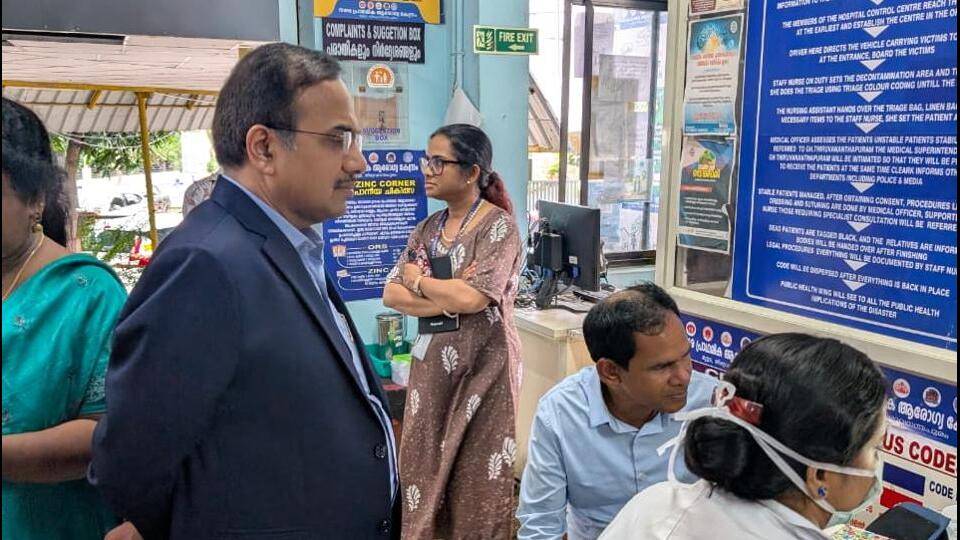
According to the officials on the delegation, the Kerala’s Family Health Centre (FHC) model particularly drew their attention and was studied closely. The FHC centres provide a wide range of services at the primary-care level, including screening and management of non-communicable diseases, counselling, maternal and child healthcare and follow-up care.
The team also examined the role of Ayushman Arogya Mandirs in delivering comprehensive primary healthcare at the community level and eHealth Kerala, an integrated digital health platform that links health facilities and helps manage patient records, referrals and health information.
The department had already been exploring technology-led reforms in public hospitals after a recent study visit to Uttar Pradesh, where it studied digital hospital monitoring, emergency care and hospital management systems.
The Kerala visit also covered population-based screening for non-communicable diseases, cancer prevention and care, maternal and newborn health, tuberculosis elimination, antimicrobial resistance, public health laboratories, emergency medical services, palliative care and integrated disease surveillance. Medicine procurement and supply-chain management was another focus area.
Ravindran said the state does not plan to simply replicate Kerala’s system. Instead, it will identify practices that can work within Maharashtra’s geographical, demographic and health infrastructure needs.
Areas under consideration include converting selected PHCs into Family Health Centres, introducing fixed-day services, strengthening public health laboratories, improving digital referrals and follow-up, conducting confidential reviews of maternal deaths, promoting rational antibiotic use, and strengthening palliative care.
Ravindran said some of these interventions could first be tested through pilot projects. Successful models may then be expanded in phases. “Wherever good practices exist, we must learn from them. Wherever Maharashtra can adapt them better, we must implement them,” he said.


