E-Paper



Bombay high court quashes arrest of Goa councillor over alleged PFI links
A mere apprehension that the person may indulge in illegal activities in future and there is a possibility of breach of peace in the locality or commission of any cognisable offence: Court

 Prefer HTon Google


Panaji: The Bombay high court at Goa has quashed the arrest of a municipal councillor who was taken into custody in September 2022 over alleged links to the Popular Front of India (PFI), ruling that the arrest—made on the grounds of a perceived likelihood of committing a cognizable offence—violated his fundamental right to reputation.
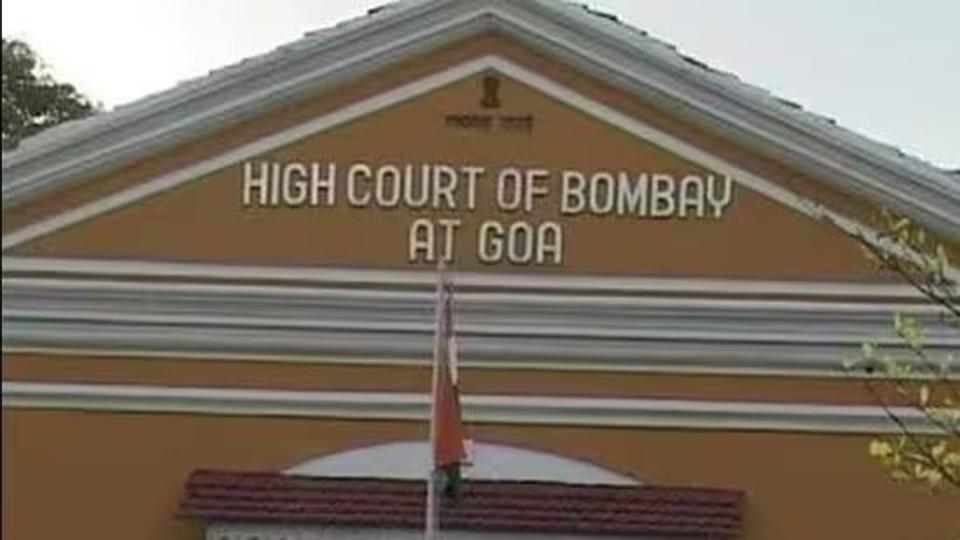
The division bench of justices Bharati Dangre and Nivedita Mehta, in an order passed on August 11, also ruled that “a mere apprehension that the person may indulge in illegal activities in future and there is a possibility of breach of peace in the locality or commission of any cognisable offence” was not sufficient ground to justify the arrest.
The court was hearing a plea filed by Sarfaraz Sayyad, a municipal councillor of the Valpoi Municipality and a journalist, who, along with three others, was arrested on September 29, 2022, on the premise that he was a member of the outfit ‘PFI,’ which had been declared an unlawful association under the Unlawful Activities (Prevention) Act. Following their production before the court, they were directed to be released upon the execution of a personal bond of ₹1 lakh each and one surety, ordinarily residing within the local limits of the Valpoi Police Station.
Also Read: HC junks rules allowing changes to Goa green zones
“When we test the aforesaid arrest in the backdrop of Article 21, i.e. “right to life and liberty”, which has considered a right to reputation as a cherished right and an important facet of Article 21 of the Constitution of India, as the term ‘life’ is of wider amplitude and necessarily convey, life with dignity and involve reputation of a person, with the Petitioner being enjoying a position in the society, he definitely has a right to contend that his image in the society has been tarnished on account of the action of his wrongful arrest without sufficiency of the material justifying such an arrest under Section 151 of the Code of Criminal Procedure (CrPC),” the high court ruled.
The high court in its ruling said that there wasn’t enough material to suggest the arrested persons were part of a design to commit any cognizable offence to justify the arrest under preventable provisions. “We do not find any material in that regard as we have noted that except expressing an apprehension of likelihood of such activity being committed, with no concrete material establishing the link of the petitioner with the PFI or substantially establishing that he has indulged in activities of the unlawful association in the past giving rise to an apprehension that he may indulge into the said activities, upon it being declared an unlawful association, is conspicuously absent,” the court added.
Also Read: High Court in Goa refuses former CM’s petition to stay release of film ‘Costao’
“No other specific material was placed before the magistrate regarding the design or intention to indulge in any cognisable offence, which could not have been prevented unless and until he was arrested,” the bench said.
The court also ruled that “a provision which necessarily gives a go by to the normal process of arrest by either obtaining a warrant or without obtaining necessary orders from the magistrate must be discharged with accountability and responsibility.”
The prosecution said that they intentionally did not disclose the said material, as it would have adverse impact and such material obtained through intelligence could not be placed in public domain” and claimed that the arrest was a bona fide exercise of power was taken to avoid any situation of law and order trouble/communal tension at the hands of the antisocial elements and also in the view of the fact that the meeting of the banned organisation had already been once held in the town.”
The court left it open for the petitioner to seek compensation before an appropriate forum.