The Odisha government led by chief minister Naveen Patnaik on Saturday made 57,000 contractual employees permanent at one go and decided to permanently abolish the contractual system of recruitment.
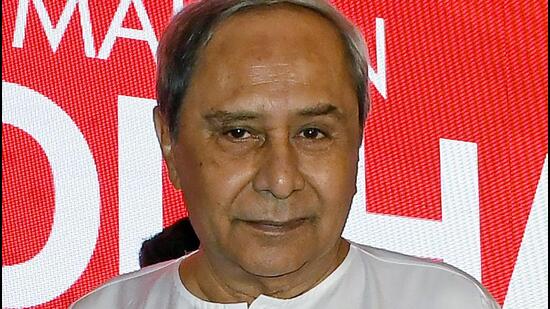
“Today, I am delighted to announce that the state cabinet has decided to abolish the contractual system of recruitment permanently. I was waiting for this moment. Even today, there are no regular recruitments in many states and they are still continuing with the contractual recruitment system. But in Odisha, the era of contractual recruitment has come to an end. The government will spend approximately Rs1,300 crore more per annum. The decision has brought in early Diwali for their family members,” Patnaik announced in a video message after the meeting of the state cabinet. The formal notification of the announcement will come out on Sunday.
The abolition of the contractual system of appointment started formally in 2013 to keep a check on burgeoning salary and pension bills. With the new decision, 57,000 employees in Group C and Group D positions working mostly in school and mass education, home, health and family welfare departments would be benefited. Odisha currently has 3.8 lakh permanent government employees.
In 2013, the state government notified the Odisha Group-C and Group-D posts (contractual employment) Rules under which recruitments were made towards existing vacancies as per routine recruitment procedure like it did for normal government employees. However, unlike permanent government employees, those appointed as contractual employees were not regularised in their jobs for next 6 years and received a consolidated salary which included just a grade pay, but no dearness allowance and house rent allowance. They were, however, eligible for 10 per cent hike in pay every year subject to satisfactory performance.
After the end of 6 years of contractual service, they were regularised, but that was again subject to the condition of “satisfactory completion of six years of contractual service”.
{{/usCountry}}After the end of 6 years of contractual service, they were regularised, but that was again subject to the condition of “satisfactory completion of six years of contractual service”.
{{/usCountry}}“The terms and conditions of the contractual employment meant that we were at the whims and mercies of the government’s moods and we could be fired any moment. Many contractual employees lost their jobs after they got married and had kids. The decision of abolition of contractual system is a just step and we thank the Naveen Patnaik government,” said Bijay Malla, president of the contractual employees association of Odisha.
Malla, however, said he would wait for the notification to see the fine prints of the decision.
But even before the Naveen Patnaik government started the contractual appointment system for Group C and D posts in various departments, it had started experimenting with the system in school and mass education department in 2004. The government used to appoint Swechhasevi Sikhya Sahayaks initially for a period of three years and thereafter after three years they were automatically engaged as junior teacher and after six years of service, they were regularised as primary teacher.
With a bloating bureaucracy and finance that was bursting at seams, Odisha in 1995 put a freeze on recruitments while cutting down 75 per cent of its base-level posts. The financial health was so bad that for almost 278 days a year, the government resorted to overdraft from Reserve Bank of India just to pay salaries and pension. In 2010 when the finances of the state started looking up due to several fiscal disciplining measures under Fiscal Responsibility and Management Act the government started recruiting people in police, health and school and mass education departments, but also kept on recruiting people in various government departments through contractual system.
Former finance minister Panchanan Kanungo said the abolition of the contractual system would shore up the image of the ruling Biju Janata Dal (BJD) that of late has been hit by a sex scandal allegedly involving a few ruling party politicians. “While government jobs are hard to come by, the end of contractual system of appointment would wean away a significant portion of youth to the ruling party as they would be hopeful of getting a government job. However, the government may have made a virtue out of necessity as the Supreme Court recently passed order on stopping contractual appointments,” said Kanungo.