Low levels of organic carbon, nitrogen and phosphorus have become a concern in agricultural soils across Prayagraj, with soil health card tests indicating a decline in natural soil fertility, officials of the regional soil testing laboratory said.
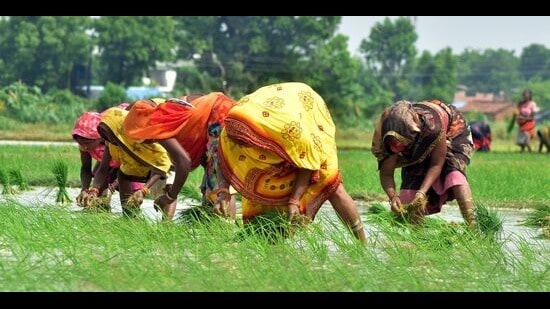
The findings have prompted the agriculture department to intensify efforts to promote balanced nutrient use, organic farming and water conservation among farmers to preserve soil health and sustain crop productivity.
As part of the campaign to assess soil quality, 77,800 soil health cards have been prepared in Prayagraj so far. These include 23,000 cards in 2024, 46,000 in 2025 and 8,800 in the current financial year. Officials said the target of preparing 8,800 cards for the current kharif season was achieved in October.
Piyush Rai, assistant director at the Regional Soil Testing Laboratory in Prayagraj, said the tests covered 12 parameters. Six parameters were examined at soil testing centres established in the district’s five tehsils, while the remaining six were analysed at the soil conservation laboratory at the district headquarters.
“The test results show that organic carbon, nitrogen and phosphorus levels are considerably below the desired range in several cases. The decline in organic carbon is particularly concerning as it affects soil structure, moisture retention and the ability to supply nutrients to crops,” Rai said.
{{/usCountry}}“The test results show that organic carbon, nitrogen and phosphorus levels are considerably below the desired range in several cases. The decline in organic carbon is particularly concerning as it affects soil structure, moisture retention and the ability to supply nutrients to crops,” Rai said.
{{/usCountry}}Organic carbon plays a crucial role in maintaining soil structure, supporting beneficial microorganisms and retaining moisture. According to officials, soil containing around 560 kg of organic carbon per hectare is considered good, while levels between 280 kg and 560 kg per hectare fall in the medium category.
Rai said the average organic carbon content in Prayagraj’s soil has been found to be below the medium category.
A decline in organic carbon can make soil hard and crusted, restrict the movement of air and water, and reduce its ability to retain moisture and nutrients. It can also affect earthworms and beneficial soil bacteria that contribute to soil fertility.
Officials are also focusing on the excessive and imbalanced use of chemical fertilisers in the pursuit of higher yields. The department is encouraging farmers to apply fertilisers in a balanced manner based on soil test results rather than using chemical inputs indiscriminately.
Deputy director of agriculture Pawan Kumar Vishwakarma said farmers were being encouraged to use biological inputs such as Trichoderma and green manure as part of efforts to improve soil health and reduce excessive dependence on chemical inputs.
He said farmers are also being encouraged to use organic manures and locally available inputs derived from livestock, while adopting farming practices suited to changing weather conditions.