Pune: The Dharashiv district administration has directed designated officers to visit drought-hit villages and stay overnight once a week to assess residents’ problems firsthand and ensure timely action. The exercise will start from next week, officials said.
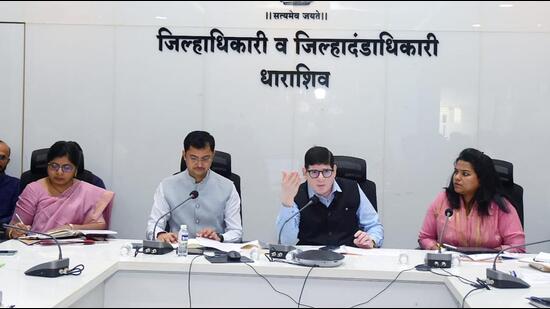
District collector Kirti Kiran Pujar has appointed eight district-level nodal officers, one for each taluka, and instructed them to interact directly with villagers rather than rely solely on reports submitted by local officials.
“Each taluka has been assigned a nodal officer who has been instructed to visit drought-hit villages and stay overnight once a week to assess the situation on the ground,” Pujar said.
The officers have been asked to identify problems faced by farmers, livestock owners and other rural residents, particularly those related to drinking water, fodder availability and access to government relief measures. They must coordinate with the concerned departments to resolve local issues and ensure assistance reaches those in need.
The administration has also directed the officers to review water storage in irrigation projects and reservoirs and take steps to prevent unauthorised extraction from water sources.
As part of the exercise, the nodal officers will coordinate with sub-divisional officers, tehsil offices and block development officers to monitor the implementation of drought mitigation measures. They will also review kharif crop damage assessment reports, inspect irrigation projects and water sources, assess fodder requirements and regularly monitor the progress of relief measures in their respective talukas.
{{/usCountry}}As part of the exercise, the nodal officers will coordinate with sub-divisional officers, tehsil offices and block development officers to monitor the implementation of drought mitigation measures. They will also review kharif crop damage assessment reports, inspect irrigation projects and water sources, assess fodder requirements and regularly monitor the progress of relief measures in their respective talukas.
{{/usCountry}}The district’s drought management plan includes land revenue concessions, restructuring of crop loans, suspension of recovery of agriculture-related loans, concessions on electricity bills for agricultural pumps and exemption from examination fees for school and college students.
Other measures include relaxing norms under the Mahatma Gandhi National Rural Employment Guarantee Scheme to facilitate employment, arranging tanker-based water supply wherever necessary, ensuring foodgrain availability and making advance arrangements for livestock fodder.
The administration has also instructed officials not to disconnect electricity connections of agricultural pumps in drought-affected villages.