With a view to accelerating the process of providing facilities based on local needs, the Maharashtra government has delegated the power to grant technical approval for educational infrastructure and learning materials in district council and government schools to district-level committees.
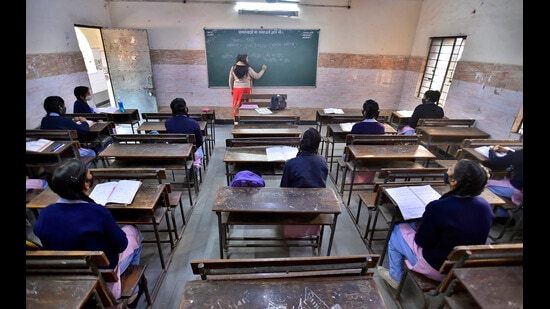
According to a government resolution (GR) dated October 10, the committees will grant technical approval for projects involving science and computer laboratories, digital classrooms, internet and Wi-fi facilities, bicycles for girl students and other educational materials in schools run by local self-government bodies and the government.
The decision is expected to reduce delays in providing essential infrastructure, particularly in rural areas, by allowing technical approvals to be processed at the district level. The committees will oversee the approval process for the proposed works in accordance with the prescribed rules.
CEO to head district-level committee
The government has specified the composition of the district-level committee, which will be headed by the chief executive officer (CEO) of the Zilla Parishad (ZP).
The chief accounts and finance officer of the ZP, district informatics officer of the National Informatics Centre (NIC), principal of the District Institute of Education and Training (DIET), and ZP’s secondary education officer will serve as members. The primary education officer of the ZP will be the member-secretary.
The committee may also include, with the approval of the CEO, subject experts and other members, depending on requirements.
{{/usCountry}}The committee may also include, with the approval of the CEO, subject experts and other members, depending on requirements.
{{/usCountry}}An official on condition of anonymity said, “By delegating technical approval powers to district-level committees, we aim to speed up the process of providing essential educational facilities in schools. This will help ensure that proposals for science laboratories, computer labs, digital classrooms, internet connectivity and other facilities are assessed and approved at the district level, reducing delays in implementation.”
The move is intended to facilitate faster implementation of school infrastructure projects and improve access to modern educational facilities. Provision of bicycles for girl students and digital learning tools is also expected to support access to education, particularly in rural areas.