
 E-Paper



Pune records coldest December in a decade as minimum temperatures dip sharply
While December is typically Pune’s coldest month, single-digit minimum temperatures usually occur intermittently for a few days

 Prefer HTon Google


Pune experienced its coldest December in a decade in 2025, with minimum temperatures dipping into single digits on 18 days. According to India Meteorological Department (IMD) data, the city’s average minimum temperature for the month stood at 10.5°C, the lowest December average since 2015.
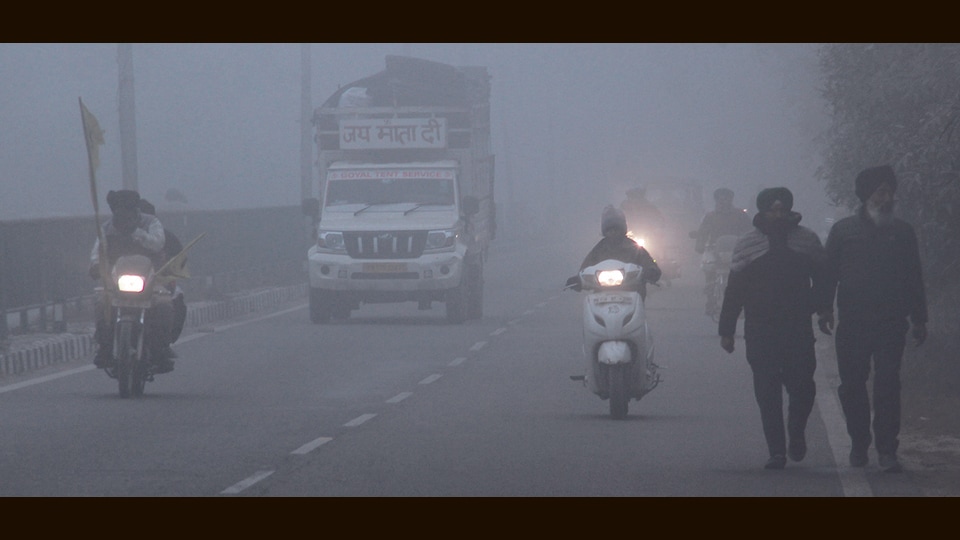
While December is typically Pune’s coldest month, single-digit minimum temperatures usually occur intermittently for a few days. This year, however, meteorologists noted a significant departure from the norm, with two distinct phases of consecutive cold days: December 9–16 and December 19–26. December 28 and 29 also recorded single-digit temperatures, bringing the total to 18 unusually cold days. The lowest minimum temperature was 7.9°C on December 12, with several days hovering between 8–9°C.
Notably, the city experienced two distinct phases of consecutive single-digit minimum temperatures, a phenomenon not seen in the past ten years. The first phase lasted from December 9 to 16, while the second extended from December 19 to 26. Additionally, December 28 and 29 also recorded single-digit temperatures, bringing the total number of such cold days to 18.
The city experienced a notably cold December, with daily lows consistently in the single digits. Temperatures hovered around 8–9°C for most of the month, starting with 8.9°C on December 9 and dipping to a low of 7.9°C on December 11. Other days saw similar chilly conditions: 8.4°C on December 10, 8.3°C on December 12, 8.8°C on December 13, 9.4°C on December 14, 9.0°C on December 15, 9.4°C on December 16, 8.3°C on December 19, 8.1°C on December 20, 8.4°C on December 21, 8.1°C on December 22 and 23, 9.8°C on December 24, 9.9°C on December 25, 9.8°C on December 28, 9.9°C on December 29, and 9.0°C on December 30.
Senior IMD meteorologist SD Sanap said the prolonged cold spell was driven by persistent northerly winds over Maharashtra and a lack of western disturbances during the post-monsoon season, which allowed cold conditions to persist longer than usual.
“This year, the northerly cool winds had a strong and largely undisturbed impact over Maharashtra, resulting in a prolonged cold spell across the state. Moreover, there were very few western disturbances formed during the post-monsoon season, which also contributed to a relatively harsher winter,” Sanap said.
December’s chill capped a year of extreme weather in Pune and Maharashtra. Early 2025 saw above-normal temperatures, with January and February averaging 1.2°C and 2.2°C above seasonal norms. By late March, Pune recorded a maximum of 37.5°C, 2°C above the normal level. April saw nine days at or above 40°C, the highest count since 2020. Meteorologists attributed the intense heat to an anticyclonic system suppressing rainfall and cloud cover.
The weather pattern shifted dramatically in May, when Maharashtra recorded unprecedented pre-monsoon rainfall. The state received 159.4 mm against a monthly average of 14.4 mm, while Pune alone recorded 250.4 mm, 657% above normal, causing waterlogging, traffic disruptions, and infrastructure damage. Heavy rains were linked to disturbances in pre-monsoon circulation over the Arabian Sea and strong moisture inflow from the Bay of Bengal.
Experts note that the sequence of extreme events, early summer heat, record rainfall, and an unusually harsh winter, reflects growing variability in regional weather patterns.


