The city recorded a minimum temperature of 14.9 degrees Celsius on Wednesday, dropping below the 15 degrees Celsius mark for the first time. Pune had been recording minimum temperatures in the range of 20 to 22 degrees Celsius for over a month.
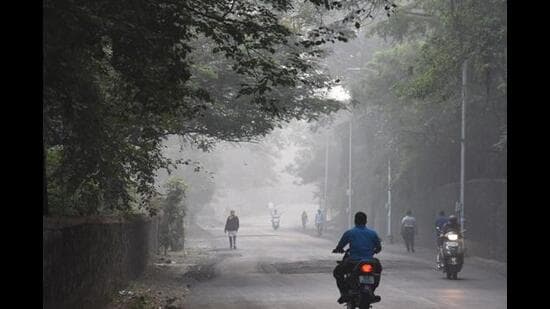
According to India Meteorological Department (IMD) data, Shivajinagar recorded a minimum temperature of 14.9 degrees Celsius, among the lowest across the district. Other weather stations in the district also reported a significant dip in night-time temperatures, with Shirur recording 14.3 degrees Celsius and Haveli registering 14.2 degrees Celsius.
Meteorologists have attributed the recent cooling primarily to northwesterly winds carrying dry and cold air into the region.
SD Sanap, senior meteorologist at IMD Pune, said the recent decline in temperatures was mainly due to the change in wind patterns and clear skies.
“Over the past two to three days, temperatures have fallen primarily because northwesterly winds have brought dry, cold air into the region. Clear skies have also played a role, as they allow heat to escape more readily at night, resulting in lower minimum temperatures,” Sanap said.
The drop in minimum temperature was accompanied by a decline in daytime temperatures in the city, with the maximum temperature settling at 32.9 degrees Celsius on Tuesday. The daytime temperature had remained around 35 degrees Celsius for much of the past month.
{{/usCountry}}The drop in minimum temperature was accompanied by a decline in daytime temperatures in the city, with the maximum temperature settling at 32.9 degrees Celsius on Tuesday. The daytime temperature had remained around 35 degrees Celsius for much of the past month.
{{/usCountry}}Rise in temp over next 3 days
The current cooling trend is expected to change over the next three days, with increasing moisture and cloud cover likely to influence temperatures across Pune and the surrounding region.
According to the IMD, moisture associated with a cyclone that recently made landfall has spread across the region and is likely to increase cloud cover in the coming days. The changing atmospheric conditions could lead to a rise in minimum temperatures even as daytime temperatures register a marginal decline.
“Over the next three days, however, we expect a change in these conditions. Moisture associated with a cyclone that recently made landfall has spread across the region and is likely to increase cloud cover. As cloudiness increases, night-time temperatures are expected to rise because clouds reduce the loss of heat from the surface. Daytime temperatures, on the other hand, could fall slightly, by around one to two degrees Celsius,” Sanap said.
He added that the recent cooling was linked to the presence of dry air and clear skies, while the expected change in temperatures would largely be driven by increased moisture and cloud cover.
With cloudiness expected to increase, Pune may experience relatively warmer nights over the next few days. Daytime temperatures, meanwhile, could ease further by one to two degrees Celsius, depending on the extent of cloud cover and the prevailing weather conditions.