
 E-Paper



Rescuers flag safety gaps as district reports drowning deaths
Over 15 people died due to drowning between January and March this year. A majority of these incidents were reported from areas within Pimpri Chinchwad Municipal Corporation (PCMC) limits and surrounding regions.

 Prefer HTon Google


Pune: Rescuers from multiple emergency response organisations across Pune district have raised concerns over recurring drowning deaths at dams, rivers, lakes and seasonal waterfalls, urging authorities to implement targeted preventive measures and improve monitoring at high-risk sites.
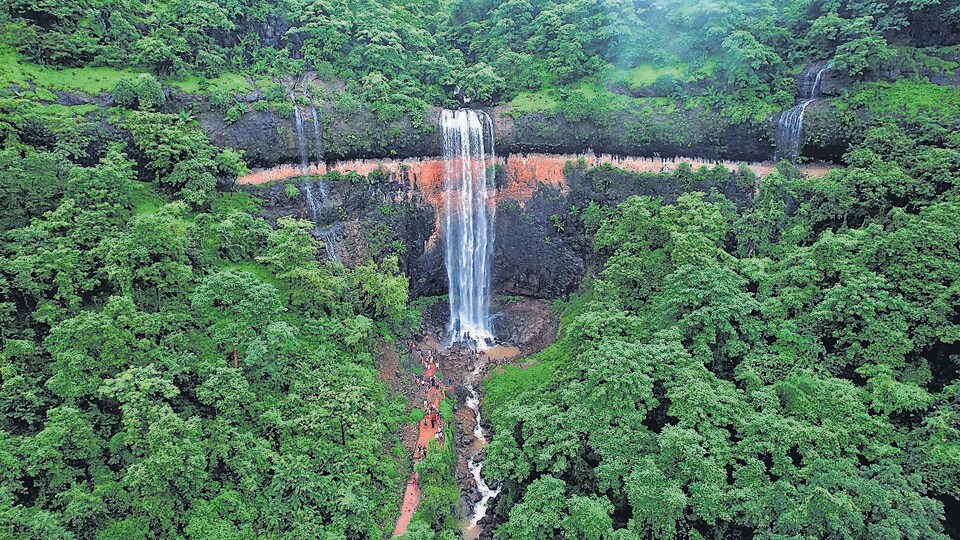
According to rescue personnel, incidents continue throughout the year, driven by unsafe behaviour, lack of awareness, and absence of basic safety infrastructure at water locations. Despite the frequency of such cases, officials acknowledge the absence of a consolidated database, making it difficult to assess the full extent of the problem.
The district disaster management department stated that drowning-related data remains fragmented, with cases recorded under different categories by multiple agencies. Depending on the nature of the incident, records are maintained at the tehsil level, by local police stations, or by the disaster management office, resulting in no unified dataset.
Data compiled by three rescue groups — Wildlife Protection Maval Organisation, Aapda Mitra Maval, and Shivdurg Mitra Lonavala — shows that over 15 people died due to drowning between January and March this year. A majority of these incidents were reported from areas within Pimpri Chinchwad Municipal Corporation (PCMC) limits and surrounding regions.
Rescuers noted that fatalities are not restricted to large reservoirs but are frequently reported at smaller lakes, rivers and seasonal waterfalls, especially during weekends and holidays when footfall increases.
Nilesh Garade of Aapda Mitra Maval highlighted behavioural risks, stating that many youngsters, after learning swimming in controlled environments like pools, overestimate their abilities in natural water bodies. “Strong currents and uneven depths make rivers far more dangerous. Even when warning signs are installed, they are often ignored,” he said.
Experts attribute drowning incidents to multiple factors, including unassessed water depth, sudden drop-offs, and the presence of sediment or sludge. In some cases, deaths are linked to suicides or individuals entering water bodies under the influence of alcohol. Accidental slips and misjudgment of currents also contribute significantly.
Vitthal Banote, district disaster management officer, said, “There is no consolidated data available at present. However, such incidents occur frequently and require focused preventive strategies.”
Rescuers emphasised the need for awareness and systematic intervention. Deepak Ghorpade, involved in disaster response efforts, pointed out that changes in natural water depth due to sand extraction have made several locations unexpectedly hazardous. He suggested installing warning boards and conducting detailed surveys to identify drowning-prone hotspots.
Rescuers have recommended deploying motion-detection cameras at vulnerable sites, integrated with nearby police stations or monitoring units to enable faster emergency response.
Fire brigade data indicates that between 2014 and March 2026, the department received 942 calls related to drowning incidents. Officials identified areas such as canal stretches near Janata Vasahat and the Harris Bridge river stretch among frequent hotspots.
A senior fire brigade official noted that peer pressure and lack of swimming skills often lead youngsters into risky situations. “Many attempt to swim in canals without proper training or awareness of the dangers,” the officer said.
Rescue teams also stressed the importance of equipping vulnerable locations with ropes and life jackets to facilitate immediate assistance. They recommended swimming training programmes, particularly for marginalised communities, to improve survival skills and strengthen local rescue capacity.
With summer approaching and visitor numbers expected to rise at water bodies, rescuers have called for a coordinated approach involving data consolidation, infrastructure support, technological monitoring, and sustained public awareness campaigns to reduce preventable deaths.


