
 E-Paper



Rise in leopard attacks forces farmers to wear spiked neck bands
According to forest officials, most leopard attacks reported in the region over the past five years have involved the animal grabbing the victim’s neck

 Prefer HTon Google


The rise in leopard- sightings and attacks across Shirur and Junnar tehsils has forced farmers to resort to an unusual precaution — wearing spiked neck bands while working in sugarcane fields. The measure, initially introduced by the Junnar forest division in October 2024, is aimed at reducing fatalities during sudden leopard encounters.
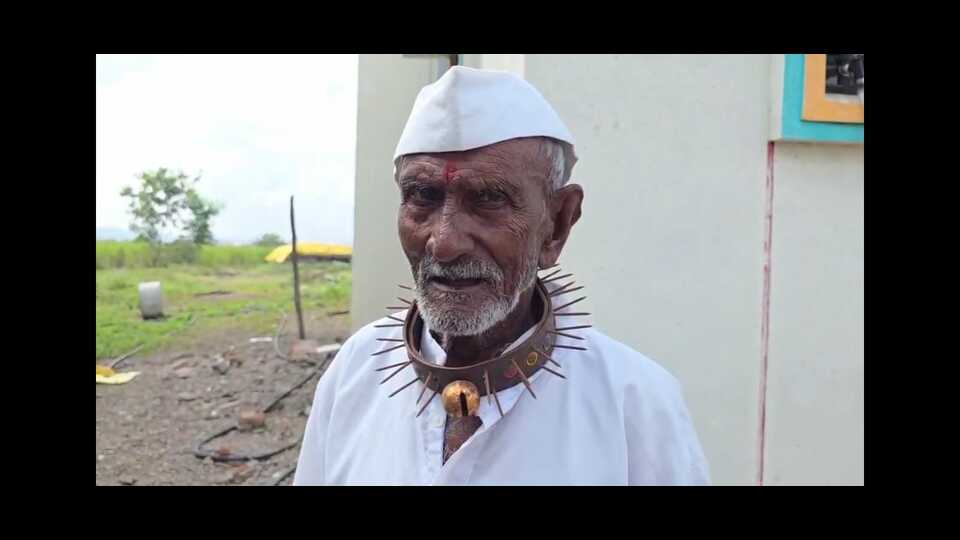
According to forest officials, most leopard attacks reported in the region over the past five years have involved the animal grabbing the victim’s neck. “In several fatal cases, the leopard grabbed the person by the neck, sinking its teeth deep and causing instant death. Considering this attack pattern, the spiked neck band was designed as a deterrent,” said a senior forest official from the Junnar division.
Developed by Pune-based Simusoft Technologies, the C-shaped plastic band is five millimetres thick and fitted with 40-millimetre-long spikes. The band covers the neck and is lightweight enough for farmers to wear comfortably while working.
Smita Rajhans, assistant conservator of forests (Junnar), said, “The forest department distributed 3,300 neck bands since October 2024, during awareness campaigns in leopard-prone villages. As of now, these bands are provided free-of-cost. They have proved useful in many instances. Given the ongoing conflict situation, the safety of people comes first, and the department is exploring all possible measures to protect them.”
“The neck injuries are often fatal in leopard attacks, while other wounds are usually treatable. That is why protecting the neck is crucial, and in this regard, the spiked neck band has proven to be an effective safety measure,” she said.
The initiative has gained renewed attention after a series of recent leopard attacks in Shirur tehsil. On November 2, five-year-old Rohan Bombe was killed in Pimparkhed village after being dragged away by a leopard, sparking widespread outrage and protests.
Officials from the Junnar forest division, which oversees one of Maharashtra’s largest leopard populations, said night patrols and camera trap monitoring have been intensified. Awareness drives are also being conducted to educate villagers on precautionary steps while working or moving through leopard-prone zones.


