Every year the organising committee for the Pune Pride march goes through an intense debate on how to celebrate their sexuality and choosing the theme, but this time around it was different.
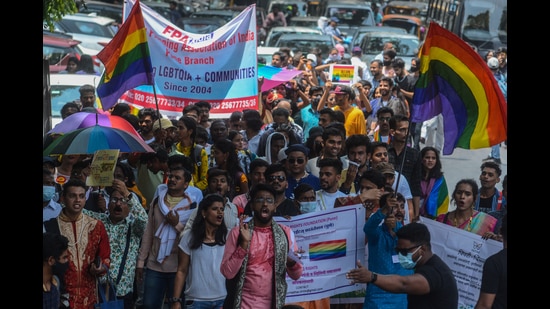
Prepping for that prideful walk were two organisations and on Sunday, Pune witnessed not one but two pride parades. This was not due to their love for the community, it was due to clashing ideologies that has split the community down the middle
While one group wanted to keep the ‘culture’ of their city intact, another sought to take pride in being liberal. But, amid clashing ideologies, who really owns ‘Pride’?
The Pune Pride walk was held at noon at Sambhaji Maharaj Garden, while a gathering called Pride… to beg or to claim your identity? was held at Goodluck chowk in the morning.
Bindu Queer Rights Foundation (BQRF) and Yutak - an LGBTQIA+ support group take pride in being conservative. The theme of the march organised by them was ‘tradition’
Bindumadhav Khire, director of BQRF said: “As foreigners can have their way of dressing for parades, we should also follow our own Indian way. We should proudly wear our traditional attire. There are many families who attend the event too. So, there should be a decent way of dressing.”
{{/usCountry}}Bindumadhav Khire, director of BQRF said: “As foreigners can have their way of dressing for parades, we should also follow our own Indian way. We should proudly wear our traditional attire. There are many families who attend the event too. So, there should be a decent way of dressing.”
{{/usCountry}}The 1km long Pride walk was attended by at least 1,000 people. The proud people of the community, were seen dressed in sarees, kurtas, or cultural attire of different communities.
Kavan Thakur, who identifies as a gay was dressed in a traditional Malvani attire along with his friend Chetan Mhatre dressed in Koli attire, said, “LGBTQ has been a part of our community for decades. This year’s theme will tell people that Indians should culturally accept the community as well.”
While many people supported the concept of ‘decent’ attire, some had a different perspective. Anu Benz, who identifies as gender-fluid said, “Culture is something that we, as a society make over the period. There should not be any restrictions on it because whatever we wear today, will become our ‘Indian’ culture in the future.”
On the other hand, the pride gathering organised by Qutcast and Mist LGBTQ foundation was attended by around 300-400 people. The gathering advocated for a liberal mindset and more flexibility among the community. Aditya Joshi, founder of Qutcast said: “Pride is all about inclusivity and not begging. It’s about being proud of who you are.There are many restrictions in the Pride walk. They don’t include inter-sectional queer issues. Other uncommon issues faced by other identities are also not taken up.”
In this gathering, there was no theme and people were asked to put forward their own issues. People with different identities and backgrounds raised personal issues that they have been facing in the community. Talking about the traditional theme, Joshi said, “Pride, in itself, is a western concept. So, having a traditional pride march is complex.”
Shyam Konnur, founder of Mist LGBTQ foundation said, “We wanted to remind people what ‘Pride’ meant. It is political and a protest for rights. For a couple of years, there had been moral policing among the organisation of Pride walk. So, we thought that it was time to start a different gathering.”
After a great response, the organisation plans to hold their own pride parade in September. Joshi added: “In the end of the gathering, some people from the pride walk, which was on the other side of the road, joined our gathering saying that they support our demands. We all hugged each other. It was an iconic moment.”
Talking about the future of the movement, Konnur said: “We need to think of the greater cause of the community. The day when they will stop moral policing, we may join together for an inclusive movement.”
While the debate on tradition and western divided the pride movement in Pune, the demand for rights and end of homophobic issues continues.