Pune: Two deaths in less than 48 hours, both involving water tankers, have raised fresh safety concerns in NIBM, Mohammadwadi, Undri and Wanowrie—areas where the unregulated movement of tankers has long worried residents.
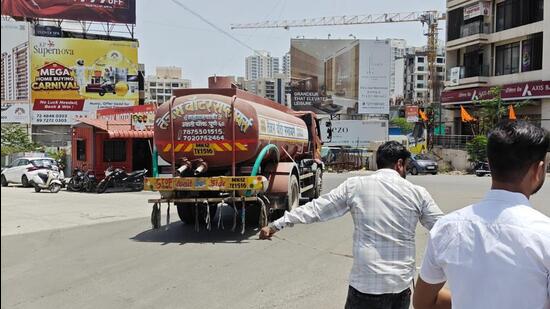
Nineteen-year-old Aariz Shaikh died on April 5 after a tanker hit his two-wheeler. Two days later, on April 7, a woman was killed in Wanowrie in a similar incident. The back-to-back accidents have triggered demands for immediate action against what residents call reckless tanker operations.
Residents said tankers, though essential, should not ply during peak hours. “They speed through congested residential roads when traffic is at its worst,” said a Wanowrie resident.
Jaymala Dhankikar, a civic activist from the Mohammadwadi–NIBM area, questioned the lack of regulation. “Where is PMC using our taxes? People are dying, yet these tankers continue to operate the same way,” she said, adding that activists are planning a petition to regulate tanker timings.
Many residents linked the surge in tanker movement to inadequate water supply by the civic body. With growing demand from housing societies, private suppliers have stepped in to fill the gap.
Sushant, a tanker supplier in the area, said the demand is driven by rapid construction and insufficient civic supply. He claimed some operators use speed monitoring systems, but flagged two key risks—blind spots on the left side of tankers and drunk driving. Referring to the recent accident, he said, “The driver was at fault, he was drunk,” calling it a serious concern.
{{/usCountry}}Sushant, a tanker supplier in the area, said the demand is driven by rapid construction and insufficient civic supply. He claimed some operators use speed monitoring systems, but flagged two key risks—blind spots on the left side of tankers and drunk driving. Referring to the recent accident, he said, “The driver was at fault, he was drunk,” calling it a serious concern.
{{/usCountry}}According to Additional Commissioner of Police (Traffic) Manoj Patil such incidents are not new but have worsened with rapid urbanisation in the NIBM-Undri belt.
He cited speeding, reckless driving, overloading, poor road conditions and drunk driving as key factors. While noting that tankers cannot be easily restricted due to their essential role, he said stricter rules are being considered. “We will most likely bring in measures to restrict tanker movement during peak hours to improve safety,” he said.