


 Live Score
 Cricket Teams
 Cricket Players
Inside Vaibhav Sooryavanshi's destructive mindset that led India to 6th U19 World Cup title: ‘Woh kisise nahi darta’
Vaibhav Sooryavanshi's standout performance in the U-19 World Cup final was rooted in his fearless mentality.

 Prefer HTon Google


Vaibhav Sooryavanshi’s Under-19 World Cup final wasn’t just a match-winning knock - it was a statement so loud that the post match noise practically wrote itself. The only useful way to cut through the noise was to hear from the one person who has seen this mindset long before the world began framing it as “fearless”: his father.
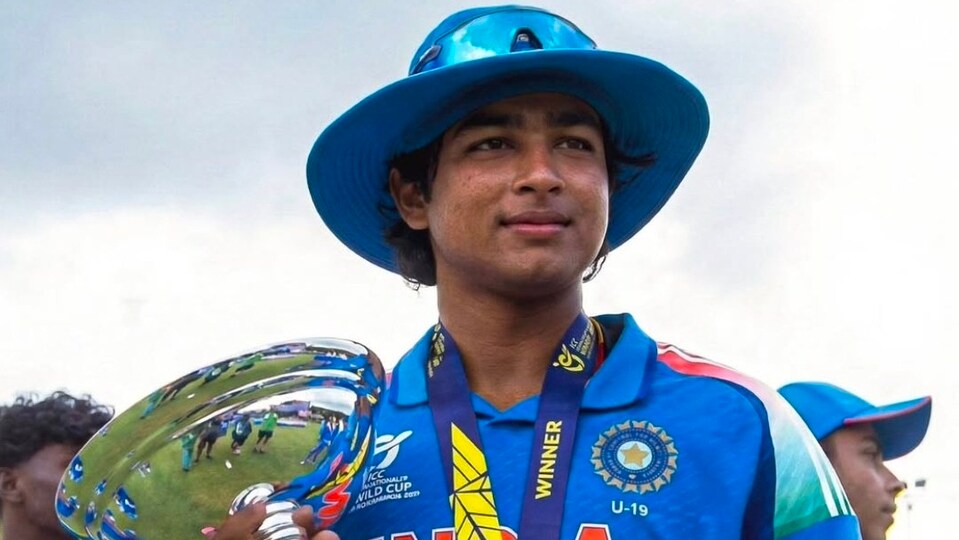
In a post match interaction, Vaibhav’s father didn’t sell the moment with drama. He explained the base traits that, in his view, make a teenager look unusually comfortable on a night where most crumble. And his central argument was simple: the calm you saw in the final wasn’t discovered today - it has always been there.
“Yes, since the time he started playing, he has been a mentally strong child. He doesn’t get scared of anyone at all. Not even slightly. Even as a child, he used to play good bowlers very well. Even today, he didn’t face any problem. He was playing for the country, and in the end, that approach worked for him. For us, that was enough,” Vaibhav Sooryavanshi’s father, Sanjiv Sooryavanshi said.
That is a neat summary of why Vaibhav’s final innings felt different. It wasn’t just the boundary count or the speed of scoring - it was the absence of panic. Finals bring pressure in layers: the occasion, the trophy, the expectation, the fear of one mistake becoming the headline. Vaibhav, though batted like the moment, was his ally.
Sanjiv Sooryvanshi spoke more about the opener’s mindset than mechanics. For him, the defining thing isn’t technique - it is the lack of fear.
He also shed light on the teen sensation’s personality and also the risk that comes with it. Sanjiv admitted that they tried to teach him the normal way of controlling an innings. Vaibhav’s response, however, reveals the instinct he trusts most.
“We used to tell him that even if you take a single or a double, that is fine too. But he would say, ‘Papa, when I can hit the ball for a six, what is the point of taking a single or a double?’,” said Sanjiv.
This shows that Vaibhav has fostered a mindset of dominance since his early days. The belief that if a bowler gives you anything hittable, you don’t negotiate. You punish. And that is exactly what the final looked like: a batter refusing to play small because the stage is big.
Sanjiv also shared that Vaibhav enjoyed the videos of Brian Lara and Yuvraj Singh batting and modeled himself on them. He also gave a glimpse on the fact how his pep talk gave Vaibhav the assurance to go out with confidence and deliver his best on the big day.


