


 Live Score
 Cricket Teams
 Cricket Players
New Zealand SWOT analysis for T20 World Cup: Mitchell Santner-led Black Caps aim for their first World Cup title
New Zealand's 2026 T20 World Cup squad is strategically built for subcontinent play, with Glenn Phillips as a key asset.

 Prefer HTon Google


New Zealand aren’t coming to the 2026 T20 World Cup with a “hope it clicks” squad. This is a build designed for the subcontinent: spin density, batting that can switch gears, and enough all-rounders to keep match-ups open without breaking the XI.
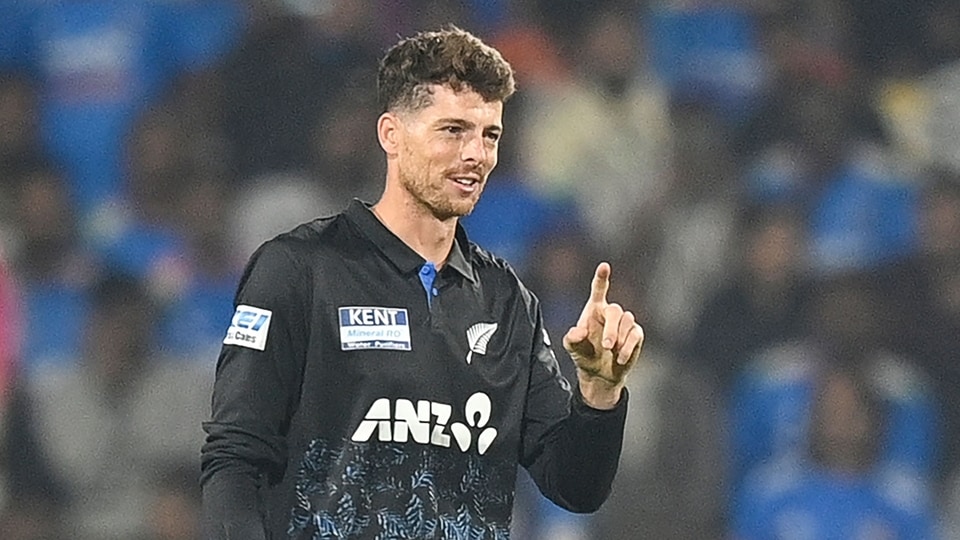
But the thing about New Zealand in T20 tournaments is this: their best version looks calm and inevitable, and their worst version arrives when they’re forced into Plan C by injuries, roles, or one bad over at the death. The Milne injury and the Jamieson swap is already one stress test before a ball is bowled.
New Zealand squad for World Cup 2026
Mitchell Santner, Finn Allen, Devon Conway, Rachin Ravindra, Glenn Phillips, Daryl Mitchell, Michael Bracewell, Mark Chapman, James Neesham, Ish Sodhi, Matt Henry, Lockie Ferguson, Jacob Duffy, Kyle Jamieson
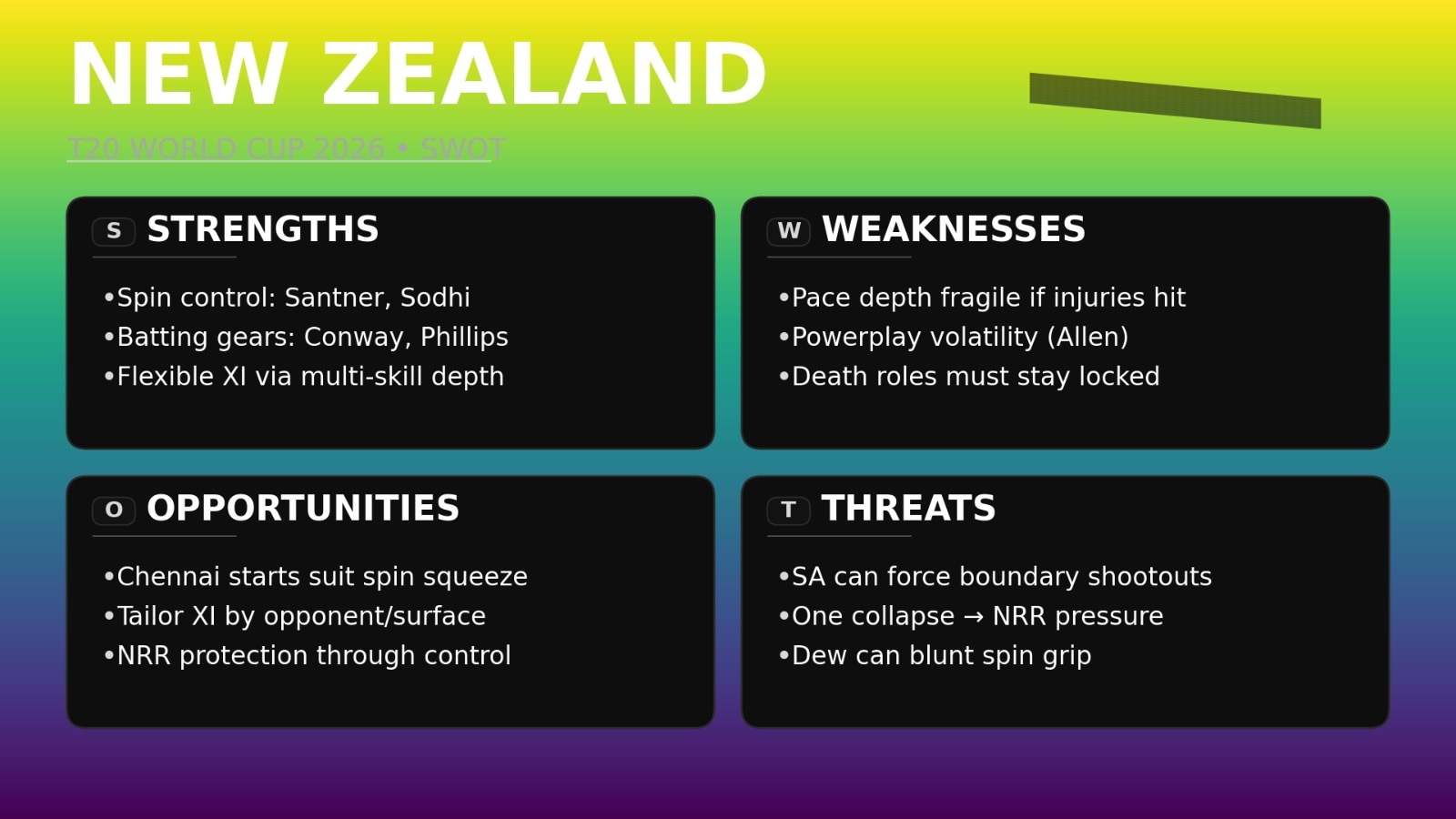
Strengths of New Zealand for T20 World Cup 2026
Spin depth that isn’t cosmetic
Santner and Sodhi are the obvious levers, but the bigger edge is the layers behind them: Phillips, Bracewell and Ravindra can all turn match-ups into puzzles, especially when a surface rewards changes of pace more than it rewards “hit the deck and pray”.
A middle order built to survive chaos
Conway and Daryl Mitchell can play the “no drama” innings if the powerplay gets messy, while Phillips is your accelerator who doesn’t need perfect conditions to change a game in 10 balls. Add Chapman, Phillips, and Bracewell as floaters and New Zealand can cover both 150 grinds and 190 sprints without rewriting the batting order every match.
A wicket-taking option that travels
Duffy isn’t just a nice story inclusion. He arrives with a reputation for taking wickets in clusters across the last year, and that’s a tournament skill: striking when teams are trying to score quickly.
Weaknesses of New Zealand for T20 World Cup 2026
Pace bowling is one more injury away from musical chairs
Adam Milne’s torn hamstring already forced one change, bringing Jamieson into the main squad. If another quick goes down, New Zealand’s pace plan shifts from “variety” to “survival”, and that’s when captains start defending totals instead of attacking them.
Powerplay volatility is real
Finn Allen can win you two games in a week… and also give you two 18/2 starts in the same week. In subcontinent tournaments, that boom-bust profile can be managed — but only if the middle order is crystal clear on when to absorb and when to counterpunch.
The death-overs hierarchy can blur
Henry is the most reliable “do my job” quick in the group. Ferguson brings pace, Jamieson brings bounce and hard lengths, Neesham brings change-ups. Great options — but New Zealand need a locked map of who bowls overs 17–20, otherwise you end up with one over too many of the “wrong” bowler against the “right” hitter.
Opportunities for New Zealand in T20 World Cup 2026
Chennai first, ask questions later
New Zealand’s group-stage schedule gives them a real chance to win the tournament early in the middle overs: Afghanistan and UAE in Chennai is a matchup where Santner/Sodhi plus the part-time menu can squeeze the life out of opponents — and, crucially, protect NRR without reckless batting.
Flex the XI without losing balance
With Ravindra/Bracewell/Phillips all offering overs, New Zealand can pick the extra bowler (Duffy/Ferguson/Jamieson) based on surface and opponent, instead of picking a best XI and hoping it fits every day. That flexibility is a genuine subcontinent advantage.
Threats for New Zealand in T20 World Cup 2026
South Africa in Ahmedabad is the group’s tone-setter
New Zealand can bully teams when they dictate pace. South Africa are the one side in the group that can force New Zealand into uncomfortable totals and uncomfortable match-ups — especially if it becomes a boundary-hitting contest rather than a control contest.
One bad night, and you’re suddenly playing the table
This format is brutal: a single loss can turn your remaining matches into NRR management. New Zealand’s squad is experienced enough to handle that — but it also means they must avoid the “one collapse game” that creates unnecessary math.
X-factor for New Zealand in T20 World Cup 2026
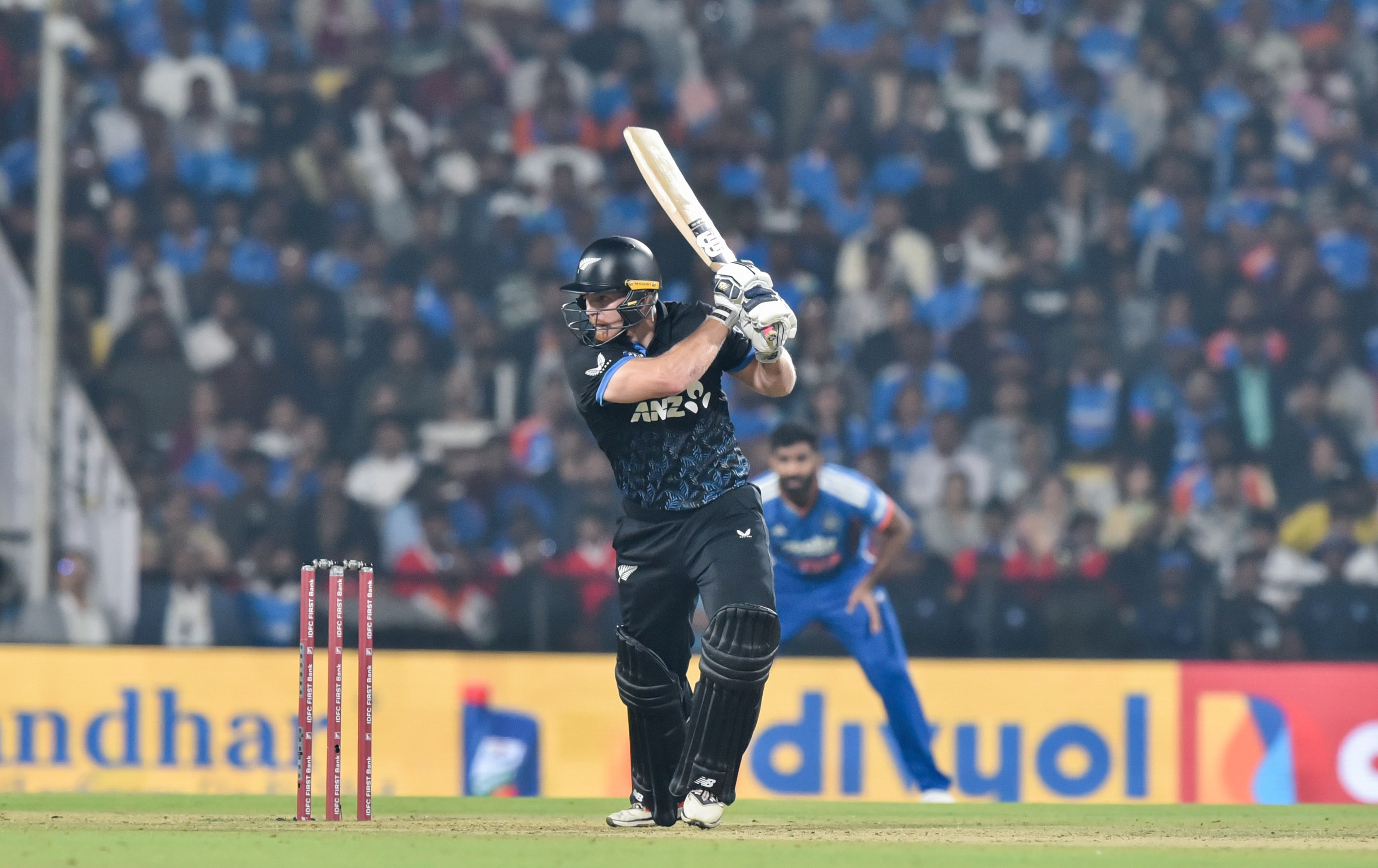
Glenn Phillips
Because Glenn Phillips is two things at once: the enforcer with the bat and a legitimate overs option who lets Santner attack harder. In a tournament where teams often carry a passenger for balance, Phillips helps New Zealand carry a weapon instead.
Best probable XI of New Zealand for T20 World Cup 2026
Finn Allen, Devon Conway (wk), Rachin Ravindra, Daryl Mitchell, Glenn Phillips, Mark Chapman/ Michael Bracewell, James Neesham Mitchell Santner (c), Kyle Jamieson, Matt Henry, Ish Sodhi


