


 Live Score
 Cricket Teams
 Cricket Players
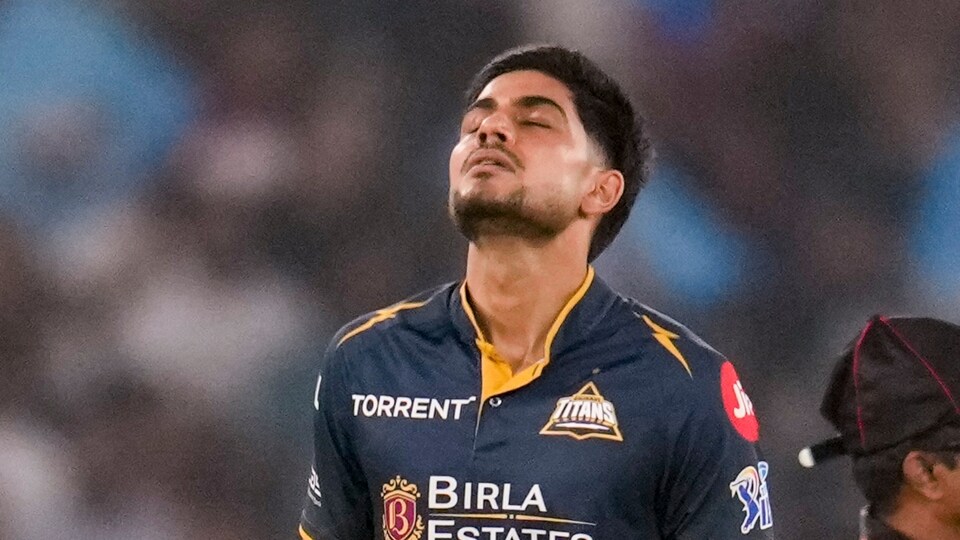
Shubman Gill's captaincy torn apart after GT leave Mohammed Siraj unused against RCB: ‘You have lost courage, right?’
In a match against the Royal Challengers Bengaluru, the Gujarat Titans' defeat sparked debate over captaincy choices.

 Prefer HTon Google


Gujarat Titans’ defeat to Royal Challengers Bengaluru was not only about failing to defend 205 at the M Chinnaswamy Stadium. It became a sharper captaincy debate because GT had actually dragged the chase back to a point where one correct bowling call could have forced RCB into the final over.
RCB were cruising for long periods through Virat Kohli’s 81 off 44 balls, and Devdutt Padikkal’s 55 off 27, but Gujarat found a small opening after the middle-order wickets. At 173/5 in the 16th over, the chase had not gone out of control. RCB still needed 33 from 27 balls, and with the set top-order batters gone, GT had a route back into the match.
That is where Shubman Gill’s use of Mohammed Siraj came under scrutiny. Siraj had bowled three overs for 25 and taken a wicket. He was Gujarat’s most controlled specialist pacer on the night, yet his final over was held back during the decisive passage. Instead, Manav Suthar was used in the 18th over against Krunal Pandya, and the over went for 15 runs. The equation immediately dropped to seven runs from two overs, killing any chance of late pressure.
Sehwag questions Gill’s late-overs call
Virender Sehwag, speaking on Cricbuzz, questioned why Siraj was not brought back when the match was still alive. “When 22-25 runs were needed off the last three overs, and if Mohammed Siraj had come in at that stage and got a wicket, maybe it would have been 20 needed off 2 overs, and who knows what would have happened from there. They could have at least taken the game to the last over. The match did not even go till the final over,” Sehwag said.
The criticism was not only about one over. It was about GT’s apparent hesitation to return to their main wicket-taking options after they had been attacked earlier. Prasidh Krishna had gone for runs. Rashid Khan had been expensive. Kagiso Rabada had also been taken down. But in a chase at Chinnaswamy, where momentum can disappear in two hits, Sehwag felt the captain still had to trust his frontline bowlers at the moment of maximum pressure.
“I think the calculations were slightly wrong from the captain there. Fine, Prasidh Krishna and Rashid Khan got hit for runs, but it is the captain’s job to bring them back into the attack. If you think that you cannot use a bowler because he has conceded 31 runs off two overs, then you have lost courage, right? That means you have given up. I think that was the mistake there,” he added.
The left-arm spin matchup also hurt GT. Krunal, a left-hander, was allowed to attack Suthar’s angle, and once that over disappeared, RCB had no reason to panic. Shubman Gill later indicated that GT had seen grip on slower balls during their own innings and believed spin could create a wicket-taking chance. But the risk did not land. In that phase, Siraj’s hard lengths and control looked the more obvious defensive-attacking option.
For GT, the concern is larger than one defeat. Their late-overs bowling has already been under pressure this season, and another match slipped because they could not convert a squeeze into a proper final-over finish. For Gill, still growing as an IPL captain, this was the kind of night where the scoreboard did not fully explain the loss. The real damage came in the timing of the call.


