The National Crime Record Bureau data for 2015 released last week was shocking but not surprising. Delhi continued to be the sex crime capital where the chances of women getting raped were four times the national average. And yet, the women were not Delhi’s most vulnerable.
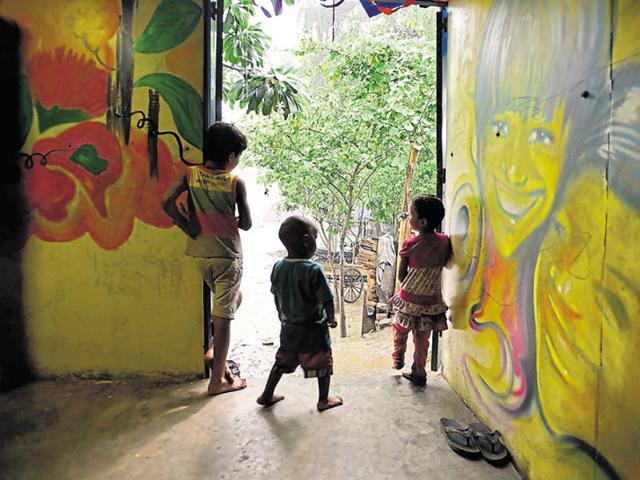
Going by the data, children were seven times more likely to face abuse if they lived in the national capital. In 2015, 928 child rapes were reported in the city. In 95% of these cases, the perpetrator was known to the child. Again, shocking but not surprising.
Last week, in three cases of sexual assault on children reported between August 31 and September 2, we have an uncle who raped and stubbed cigarettes on a three-year-old girl’s body in Govindpuri, a neighbour who abducted and raped an 11-month-old infant in a slum in Vikaspuri, and a 19-year-old man who molested his one-and-half year old cousin in Paharganj.
Our authorities have for long taken refuge in such stats. With relatives, acquaintances and neighbours involved, police apparently can’t do much to prevent such crime because these are, as successive police chiefs have put it, “opportunist crimes committed in private spaces”.
Read: Serious crime dips across nation but Capital still most unsafe for women, kids
{{/usCountry}}Read: Serious crime dips across nation but Capital still most unsafe for women, kids
{{/usCountry}}By the same logic, police should not be expected to do much about murder because every second killing in Delhi is triggered by either property/family disputes, extramarital affairs or business rivalries.
Thankfully, following that fatal gang rape in December 2012, the police are not turning away victims to make their record books look good. Reporting of rape has reached an all-time high. That also explains the sudden spurt in sexual crime on record in Delhi.
But rapes and molestation behind closed doors are still the most under-reported crime in India. Reporting sexual assault, especially when the abuser is not a stranger, or worse, when he is from the family requires remarkable courage because most often the victims are emotionally and financially dependent on their abusers.
Last year, HT studied all 103 First Information Reports in rape cases registered in the three Delhi neighbourhoods where reporting of sex crime was the highest. In all cases, the men accused of rapes were known to the survivors. In 42 cases, they were men from the neighbourhood. In 30 cases, they were family members.
It usually started with inappropriate touching and groping, said a number of victims. Some were too scared to speak up. Others told their mothers and female relatives but were advised not to talk about it. Emboldened, these men committed rapes.
Experts say that a support system can make it easier to detect such crime and assist victims requiring help. Under the Protection of Children from Sexual Offences Act, teachers and school counsellors are required by law to report child abuse, if they get to know about one. But in most schools, teachers have little time and sensitisation to engage with students individually.
Read: 22,000 children went missing in Delhi in last 3 yrs, 9,000 still untraced
Besides, thousands of children are not enrolled in schools. The children of poor working parents are vulnerable because they are left home alone or under the supervision of a relative or a neighbour who often turns out to be the abuser. The capital keeps no record of abuse among street children, underage labourers, beggars and the destitute.
Delhi does have child welfare committees and counselling desks at police stations. But there are geared to provide help only after major violence has happened. But there is hardly any help available to those who have reasons to fear the worst.
Last year, shaken by a series of child sex abuse revelations in the UK, then PM David Cameron upgraded child sexual abuse to a “national threat” and at par with organised crime. Increased efforts by social and health workers, teachers and police officers have led to even adults disclosing historic child sexual abuse.
For three cases of child rape recorded every day, many more never make it to any crime register in the national capital. Yet, far from being outraged, Delhi refuses to even acknowledge the crisis. Social and health workers, teachers, police officers and local community leaders – we need all hands on the deck to protect our children. As the African proverb goes, it takes a village to raise a child — we may add in Delhi — unscarred.