Defending the Centre’s decision to link citizens’ Aadhaar numbers to their PAN cards, Attorney General (A-G) Mukul Rohatgi on Tuesday told the Supreme Court that the right over one’s body is not absolute and called the arguments of bodily intrusion to take biometric data for Aadhaar as “bogus”. His added that Aadhaar biometrics are no more intrusive than photographs used in other identity documents and that an individual does not have absolute authority over their body because the government was already regulating abortions in women and collecting fingerprints from criminals. The A-G also argued that the leaks did not come from the central database and so the Aadhaar database cannot be called unsafe.
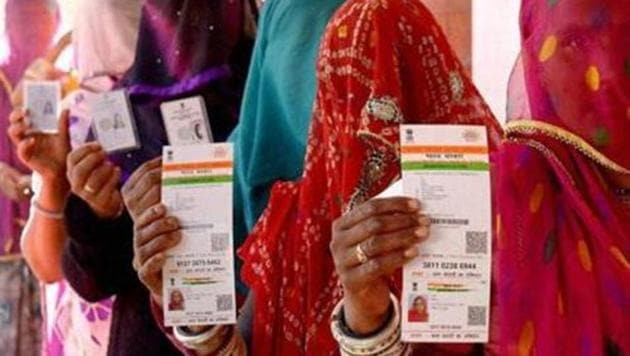
The A-G’s argument that an individual’s bodily integrity is “bogus” is shocking. It undermines individual freedom and raises several other questions including whether the next step could be DNA profiling. If an individual does not have complete rights on one’s own body, what is left of individual freedom? In cases involving violations of “bodily integrity” such as rape, the notion of consent is invoked. Consent implies that an individual has complete authority over her own body and no one can violate that. By claiming that this is a “bogus” idea, the A-G has done a great disservice to the rights of citizens.
The bedrock of the modern legal system is the assumption that an individual is innocent until proven guilty. But to collect biometric data because criminals surrender fingerprints is to turn that maxim on its head. As Justice AK Sikri pointed out, “The State has the obligation to maintain the dignity of an individual” and not impose the indignity enforced on criminals on everyone.
The argument that the leaks of Aadhaar data did not come from the Unique Identification Authority of India database, and so it cannot be blamed for the leaks is a ‘bogus’ argument. Given that details of 135 million Aadhaar card holders may have been leaked, it matters little whether that breach came from the central database or from other states. The fact remains that citizens who have given personal information to the government now have no way to ensure its safety.
{{/usCountry}}The argument that the leaks of Aadhaar data did not come from the Unique Identification Authority of India database, and so it cannot be blamed for the leaks is a ‘bogus’ argument. Given that details of 135 million Aadhaar card holders may have been leaked, it matters little whether that breach came from the central database or from other states. The fact remains that citizens who have given personal information to the government now have no way to ensure its safety.
{{/usCountry}}Aadhaar will also be connected to bank accounts and other deeply personal aspects of a person’s life. It would give the State massive powers over the individual. And given the rate at which the system is leaking, and the amount of scope there is for misuse of such information, Aadhaar is a dangerous and invasive database that cannot be allowed to become mandatory without the right checks and balances.