
 E-Paper



An institutional indictment
Swirling questions about NCW’s apparent laxity in dealing with Manipur’s brutal sexual assault point to a deeper institutional rot

 Prefer HTon Google


Rarely would a person addressing a nationally televised press conference have used the word “forwarded” as frequently, but under fire over the apparent inaction of the National Commission for Women (NCW) in a case involving the barbaric sexual assault of two Kuki women by a mob in Manipur, that’s exactly what national women’s panel chief Rekha Sharma did. She attempted to defend the body, saying that not only did she take cognisance of complaints from Manipur but also wrote to the authorities in the state thrice but received no response. There is little doubt that the press conference was done in view of the national outcry over a horrific 30-second clip that showed a mob of men — a first information report later identified them as members of the Meitei community — hooting and applauding as it stripped two women and forced them to walk naked in public, groping them. One of the women was subsequently gangraped.
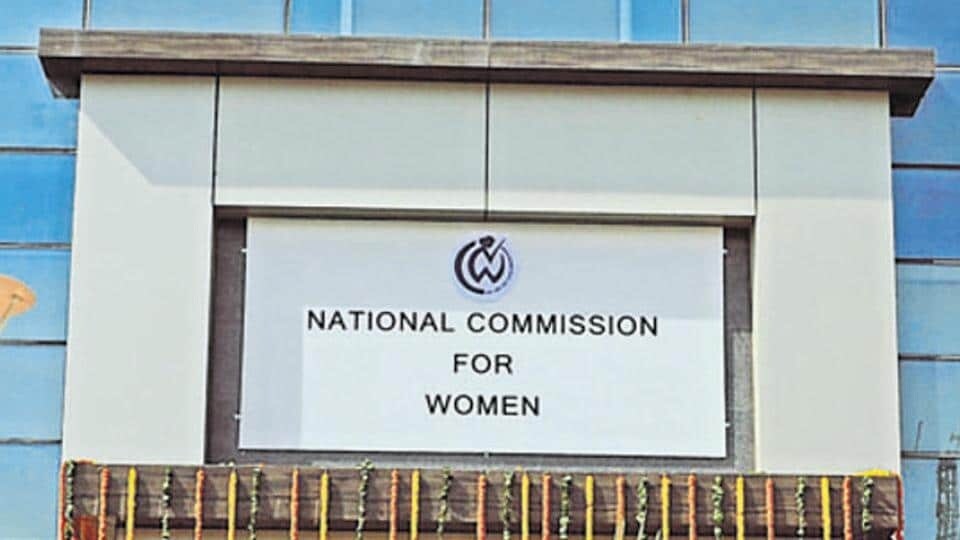
Yet, there are no answers still to any of the questions swirling around the role of NCW in not pursuing a specific complaint on this incident, or reports that Kuki women activists wrote to the body but didn’t hear back. In a state where the breakdown of law and order is only matched by a rupture in the social fabric, NCW could have played an instrumental role with regular follow-ups, assistance in the investigation, counselling the victims, and sending a team to better ascertain the facts in a region where the suspension of internet and deep social divides have made truth and transparent reporting of events its first casualty. By all accounts, none of this was done. The questions are many, and NCW’s vacillation on the subject is symptomatic of the response of the local administration. Were the letters sent to the Manipur administration strong enough? Were the missives adequately followed up? Could the response have been more than perfunctory? In a protracted case of ethnic violence with an unfortunately large number of women victims, could the women’s panel have taken a more proactive stance? In hindsight, the answers, are obvious.
The travails of NCW mirror the unfortunate trajectory that many such quasi-judicial bodies set up with the noble intent to serve underprivileged sections of the population have suffered. Despite considerable powers of investigation, review and action, bodies to serve Scheduled Castes, Scheduled Tribes, minorities and women have largely been reduced to effete institutions because of deep politicisation of their functions over decades that has rendered them incapable of taking independent decisions in cases of atrocities or violence involving marginalised sections. Indeed, the public perception is that these bodies act swiftly when an incident of violence is reported from a region not under the control of the incumbent government and are often found lacking when accountability is to be sought from the party in power. This unfortunate politicisation threatens to defeat the purpose with which these bodies were set up — to provide additional assurances to vulnerable sections that their grievances will be taken up efficiently and urgently, and that the vagaries of the law-enforcement system will not be allowed to become impediments in the way of justice. In that sense, what happened in Manipur is an institutional indictment, and a challenge for India, one that the country is currently losing, thanks to the efforts of people such as Rekha Sharma.


