Prime Minister (PM) Narendra Modi told News18 India, a television channel, that “the day I do Hindu-Muslim, I will be unworthy of public life”. He reiterated that it was his resolve that “I will not do Hindu-Muslim”. What the PM seems to suggest is that he does not approve of communal politics, and is against people in public life practising it.
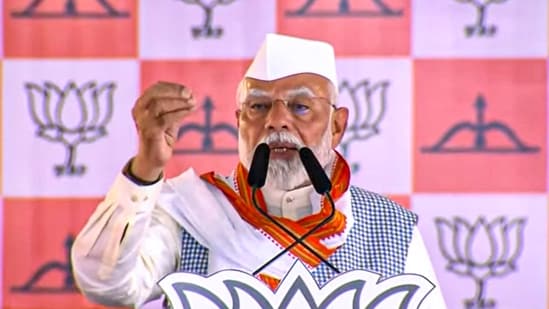
Modi’s remarks are significant — and welcome — since they come in the context of the controversy generated by
Prime Minister (PM) Narendra Modi told News18 India, a television channel, that “the day I do Hindu-Muslim, I will be unworthy of public life”. He reiterated that it was his resolve that “I will not do Hindu-Muslim”. What the PM seems to suggest is that he does not approve of communal politics, and is against people in public life practising it.
Modi’s remarks are significant — and welcome — since they come in the context of the controversy generated by a speech he delivered on April 21 while campaigning in Banswara in Rajasthan. Attacking the Congress, he had said: “Pehle jab unki sarkar thi, unhone kaha tha ki desh ki sampatti par pehla adhikar musalmanon ka hai. Iska matlab, ye sampatti ikhatti karke kisko baatenge? Jinke zyada bachche hain unko baatenge, ghuspaithiyon ko baatenge. Kya aapke mehnat ki kamayi ka paisa ghuspaithiyon ko diya jayega? Aapko manzoor hai yeh? (Earlier, when they were in power, they had said Muslims have the first right to the wealth of the nation. That means, who will they distribute this wealth to? They will give it to those who have more children, to infiltrators. Should your hard-earned money be given to infiltrators? Do you agree with this?).” This speech, unfortunately, polarised the 2024 campaign. Many BJP leaders took a cue from it to indulge in Muslim bashing rather than focus on the record of the party in office. The Opposition, which complained about the speech to the Election Commission, too changed its narrative and the campaign took a vicious turn. In a separate context, defence minister Rajnath Singh has clarified that the BJP’s idea of Ram Rajya, repeatedly spoken of in this election, is not a theocratic State but only signifies the party’s intention to work with “a sense of responsibility” and “duty among the people”.
These comments from the BJP’s leadership should, henceforth, guide its leaders, cadres and supporters in their approach — to the campaign and beyond. The India story is built on inclusive politics that right from the days of the freedom movement rejected communal agendas and State-building that privileged any particular community. It does not serve the national interest to isolate the country’s largest religious minority in public discourse or make insinuations against them — even in the heat of elections. Instead, the campaign should focus on issues to do with lives and livelihoods and the record of legislators. The PM himself explained that his understanding of secularism and social justice is derived from ensuring the delivery of governance without prejudice and corruption. The message from him is clear: Drop dog whistles and embrace a political vocabulary centred on inclusive governance.
One Subscription.
Get 360° coverage—from daily headlines
to 100 year archives.
Archives
HT App & Website