‘March is the new May: Northern and western India reel due to scorching summer’. This headline, which appeared in Hindustan Times on Thursday, sums up the coming challenge: Searing heat waves are going to singe India. The indications are already there: Vast swathes of northern and western India are reeling under near heat-wave conditions with experts expressing concerns over the sweltering temperatures that have shot past 40 degree Celsius in the first few weeks of summer.
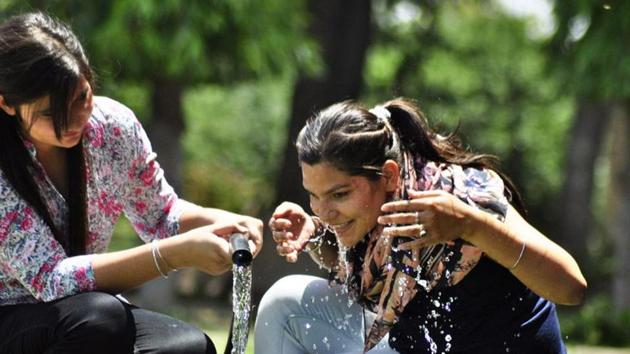
The searing temperatures comes on the back of the hottest summer in a century last year that killed 550 people and left not enough food to eat or water to drink in parts of an area that holds about 25% of India’s 1.2 billion people.
Officials were forced to transport water in trains to towns and villages in the west earlier this month amid reports of children collapsing in the heat while fetching water, and of armed men guarding wells and ponds to stop farmers from stealing water.
Expecting the worse, the National Disaster Management Authority (NDMA) has already directed states in the country to brace for a hot summer and has said that the ‘Heat Wave Action Plan’ must be implemented.
Data shows that there has been an increasing trend of heat waves in India over the past several years. Heat wave killed about 3,000 people in 1998 and more than 2000 in 2002. It caused over 2,000 deaths in 1998 in Odisha and more than 1,200 deaths in 2002 in southern India. More than 2,400 people died in the heat wave of 2015. Heat wave also caused death of cattle and wildlife besides affecting animals in various zoos in India.
{{/usCountry}}Data shows that there has been an increasing trend of heat waves in India over the past several years. Heat wave killed about 3,000 people in 1998 and more than 2000 in 2002. It caused over 2,000 deaths in 1998 in Odisha and more than 1,200 deaths in 2002 in southern India. More than 2,400 people died in the heat wave of 2015. Heat wave also caused death of cattle and wildlife besides affecting animals in various zoos in India.
{{/usCountry}}Yet most Indian cities are yet to implement the NDMA’s heat wave guidelines that can help them prepare a management plan by providing insight, help in coordinating various departments, individuals and communities to aid and protect their neighbours, friends, relatives, and themselves against avoidable health problems during spells of very hot weather.
Doing this important because a heat wave directly affects communities, undermining their livelihoods through gradual, insidious changes in temperature and rainfall patterns, and resulting in increased frequency and intensity of hazards such as floods, cyclones, droughts, unseasonal rains and hailstorms, causing extensive damage to crops and the agro-rural economy.
It is time to devise a national level strategy and plan to combat this disaster. A comprehensive heat preparedness and response requires involvement from not only government authorities but also NGOs and civil society. The first step would be to map vulnerability assessment in order to identify the areas and people that will be worst affected by heat waves.