Unemployment rates are often looked at as the ultimate measure of a country’s ability to create employment. While they are indeed an important metric as far as the labour market is concerned, there is a need to look beyond the headline unemployment number, especially in the case of emerging market economies such as India. The 2020-21 Periodic Labour Force Survey (PLFS) report, which was released on June 14, underlines this argument. The 2020-21 PLFS report – it covers the period
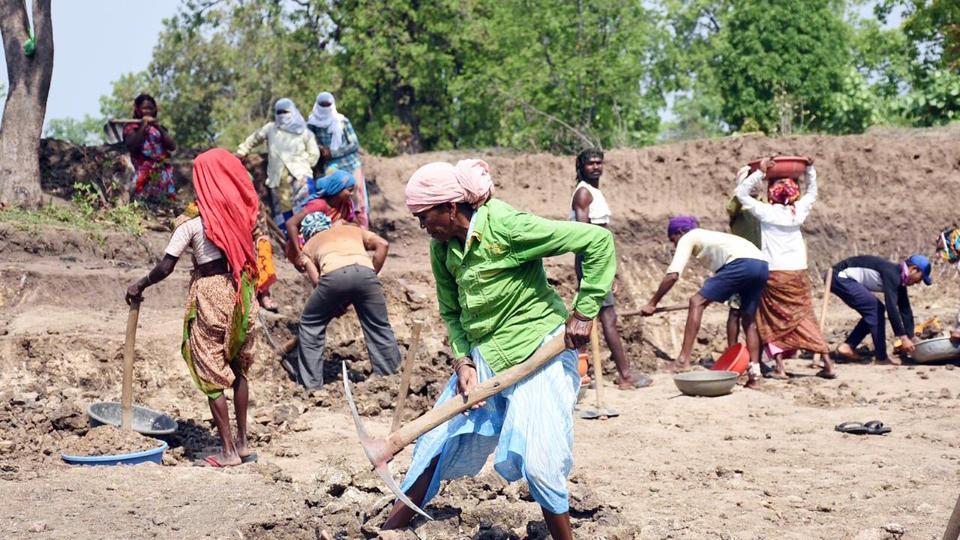
Unemployment rates are often looked at as the ultimate measure of a country’s ability to create employment. While they are indeed an important metric as far as the labour market is concerned, there is a need to look beyond the headline unemployment number, especially in the case of emerging market economies such as India. The 2020-21 Periodic Labour Force Survey (PLFS) report, which was released on June 14, underlines this argument. The 2020-21 PLFS report – it covers the period from July 2020 to June 2021 which followed the 68-day long nationwide lockdown – shows that unemployment rates fell to their lowest level in India since the first PLFS was carried out in 2017-18.
However, this does not necessarily mean that all is well with the labour market in India. As was pointed out in a June 15 analysis of the PLFS numbers in this newspaper, the pandemic seems to have left long-term qualitative scars on the Indian labour market. The share of people employed in regular (and better-paying) jobs has come down, there has been a perverse shift of jobs from the non-farm to the farm sector, disguised unemployment – as can be seen in a rise in unpaid family labour masquerading as self-employment – has increased, and real wages are still lagging pre-pandemic levels for a large number of workers. All this means that mass purchasing power, and hence demand, is bound to have suffered. To be sure, the PLFS numbers are slightly dated and the situation could have improved as the state of economic activity has gained momentum over the past year. This is exactly why India needs more high frequency employment data.
One Subscription.
Get 360° coverage—from daily headlines
to 100 year archives.
Archives
HT App & Website