Beginning Thursday, a fifth of India’s population will begin choosing its political representatives. Billed as a virtual semi-final to the 2024 general election, the assembly polls will span five states, 690 constituencies and 183 million voters. It will showcase the extraordinary capability of the world’s largest democracy in holding free and fair elections at regular intervals. Attention will be on Uttar Pradesh (UP) — India’s most populous province which is also the nerve centre of the Bharatiya Janata Party (BJP)’s
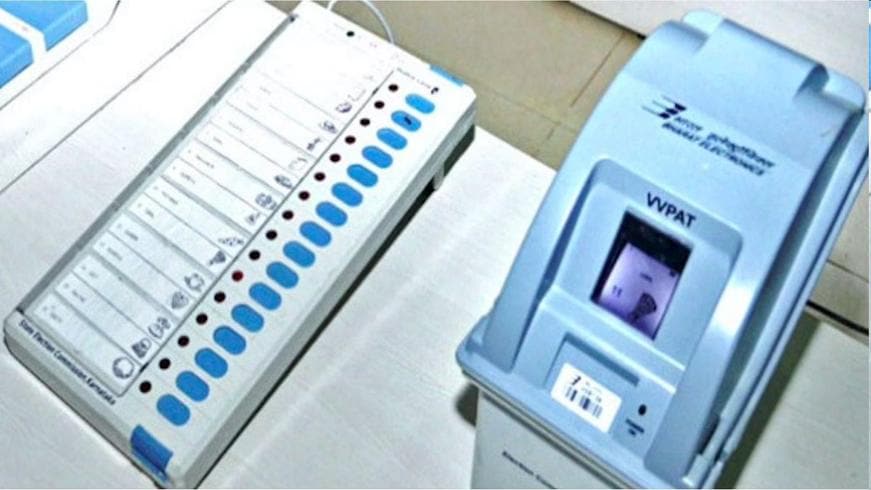
Beginning Thursday, a fifth of India’s population will begin choosing its political representatives. Billed as a virtual semi-final to the 2024 general election, the assembly polls will span five states, 690 constituencies and 183 million voters. It will showcase the extraordinary capability of the world’s largest democracy in holding free and fair elections at regular intervals. Attention will be on Uttar Pradesh (UP) — India’s most populous province which is also the nerve centre of the Bharatiya Janata Party (BJP)’s Hindutva politics. If the BJP becomes the first party to retain power in the state in two decades, it will propel Yogi Adityanath into the top echelons of the party, and be seen as an endorsement of his conservative Hindu, tough-on-crime, agenda, and of Prime Minister Narendra Modi’s continuing popularity. Conversely, a good showing by the Opposition – even if it doesn’t win – will buoy regional parties to claim the mantle of the BJP’s chief adversary from the Congress.
But beyond this, the results of the election, when they are announced on March 10, will answer three questions. One, can the distress in the farm sector bring back agriculture as a national issue in the 2024 election? With the three central farm laws, which galvanised protests last year, now repealed, it is yet unclear whether cultivators — who also identify by their faith, caste, and region — will remain united under an issue-based umbrella, the kind which forced previous governments to give major concessions. And, if they do, will the government’s response mirror the 2009 or 2017 style loan waiver, or the 2019 style cash transfers under PM-Kisan?
Two, was the end of the Mandal moment predicted too soon? In the campaign, both the government and Opposition have tried to corral communities based on caste. Yes, the mode of mobilisation differs — the BJP focuses on Hindutva, law and order and targeted delivery of welfare while the Opposition banks on issues of livelihood, anti-incumbency and perceived caste bias of the administration — but it’s clear that caste continues to be a major pole of the polity and is used for electoral and transactional benefits. And three, it will tell us how the Covid-19 second wave affected people’s relationship with the government. Is administrative failure during the pandemic not a factor, or is it playing out in subtle ways such as resentment against local lawmakers for not being present at times of distress? When faced with a once-in-a-generation pandemic, do Indians blame God or the government? March 10 will reveal the answer.
One Subscription.
Get 360° coverage—from daily headlines
to 100 year archives.
Archives
HT App & Website