Union health minister JP Nadda met President Pranab Mukherjee on Monday afternoon to explain the reasons behind the government’s decision to bring in an ordinance that exempts for a year state medical entrance tests from a common national examination.
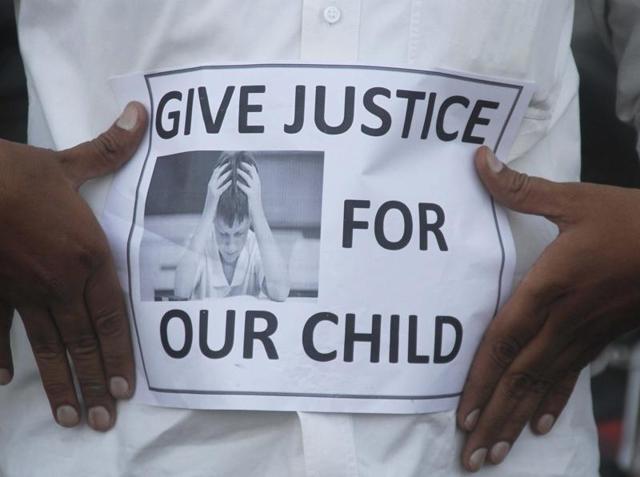
HT explains the controversy- what supporters of the National Eligibility-cum-Entrance Test (NEET) say and why there is a section that opposes it:
History
2010: With the approval of the Centre, the Medical Council of India (MCI) notifies a single entrance examination for medical and dental undergraduate and post graduate courses from the academic year 2012-13
2012: The MCI issues a revised notification to conduct the national examination from the academic year 2013-14.
Court Cases
2013:
* Supreme Court quashes NEET implementation.
* For entry to government colleges, Central Board of Secondary Education (CBSE) conducts a common medical test. Private and some state medical colleges— Andhra Pradesh, Tamil Nadu, Telangana and Jammu Kashmir – are exempt from participation.
* The Centre and MCI file a review petition that is heard by a five-judge bench of the Supreme Court.
Read | NEET relief only for a few students from Maha, say experts
{{/usCountry}}Read | NEET relief only for a few students from Maha, say experts
{{/usCountry}}2016:
April 11: The Supreme Court allows the review petitions and recalls its 2013 judgment, paving the way for the NEET to be conducted from the current academic year
April 28: While Union health and human resource development ministries contemplate the feasibility of the exam being conducted, Sankalp Charitable Trust files a petition in the SC, putting pressure on the government to conduct NEET this year.
*The court allows the test to be held in two phases: NEET-I (formerly AIPMT) that was held on May 1, and NEET-II on July 24, when the remaining colleges – mostly state and private colleges – will participate.
*The combined result to be announced on August 17, and counselling and admission process to be done by September 30.
Read | Tawde hails NEET victory for state students
Problem
May 16, 2016:
*Representatives from 15 states urge Nadda to approach the SC to implement the centralised test for the 2017-18 academic year, as there were practical difficulties in implementing the NEET from this year
* Non-CBSE candidates will be disadvantaged by the NEET as there was little time left for students to bridge the difference between state board syllabi and the central curriculum.
*The absence of regional language options meant non-English or Hindi-speaking students will find it difficult to score well in the NEET, the Centre was told.
Controversy
May 20, 2016:
*Cabinet clears an ordinance to postpone the implementation of the NEET to academic year 2017-18 for state boards, to give them some time to prepare
*The government’s decision to postpone the implementation of the exam is slammed by some opposition parties who allege private medical colleges are being favoured over the students
*The government rubbishes the claim, saying concerns of all stakeholders need to be duly addressed while implementing the NEET.
Read | Tips for NEET-2: Keep calm, revise Class 11 syllabus, numericals