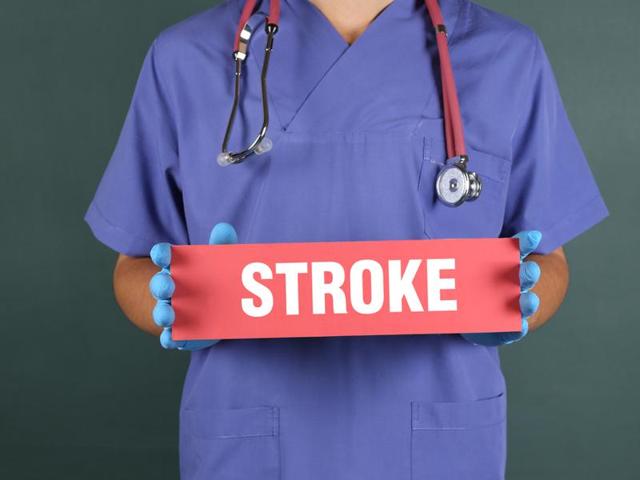
According to a new study, certain kinds of bacteria in the gut help leverage the immune system, thereby reducing the severity of stroke. It further suggests that modifying the gut’s microbiotic makeup may help prevent the deadly condition. The new finding can help mitigate stroke, the second leading cause of death worldwide, researchers added.
For the study, researchers from Weill Cornell Medicine and Memorial Sloan Kettering Cancer Centre in the US, gave mice a combination of antibiotics. Two weeks later, they induced the most common type of stroke, called ischemic stroke, in which an obstructed blood vessel prevents blood from reaching the brain.
Mice treated with antibiotics experienced a stroke that was about 60 per cent smaller than rodents that did not receive the medication. The microbial environment in the gut directed the immune cells there to protect the brain, the researchers said, shielding it from the stroke’s full force.
Read: Watch out for stroke, keep your body and brain active
“Our experiment shows a new relationship between the brain and the intestine,” said Josef Anrather, an associate professor at Weill Cornell Medicine.
“The intestinal microbiota shape stroke outcome, which will impact how the medical community views stroke and defines stroke risk,” Anrather said. The findings suggest that modifying the microbiotic makeup of the gut can become an innovative method to prevent stroke, researchers said.
{{/usCountry}}“The intestinal microbiota shape stroke outcome, which will impact how the medical community views stroke and defines stroke risk,” Anrather said. The findings suggest that modifying the microbiotic makeup of the gut can become an innovative method to prevent stroke, researchers said.
{{/usCountry}}This could be especially useful to high-risk patients, like those undergoing cardiac surgery or those who have multiple obstructed blood vessels in the brain. Further investigation is needed to understand exactly which bacterial components elicited their protective message.
Read: Quick treatment after stroke can minimise brain damage, subsequent disability
Read: Timely treatment can save you from brain stroke, says experts
However, the researchers do know that the bacteria did not interact with the brain chemically, but rather influenced neural survival by modifying the behaviour of immune cells.
Immune cells from the gut made their way to the outer coverings of the brain, called the meninges, where they organised and directed a response to the stroke.
“One of the most surprising findings was that the immune system made strokes smaller by orchestrating the response from outside the brain, like a conductor who does not play an instrument himself but instructs the others, which ultimately creates music,” said Costantino Iadecola, from Weill Cornell Medicine.
The newfound connection between the gut and the brain holds promising implications for preventing stroke in the future, which the researchers said might be achieved by changing dietary habits in patients or “at risk” individuals.
“Dietary intervention is much easier to accomplish than drug use, and it could reach a broad base,” Anrather said.
The study was published in the journal Nature Medicine.
Catch your daily dose of Fashion, Taylor Swift, Health, Festivals, Travel, Relationship, Recipe and all the other Latest Lifestyle News on Hindustan Times Website and APPs.
Catch your daily dose of Fashion, Taylor Swift, Health, Festivals, Travel, Relationship, Recipe and all the other Latest Lifestyle News on Hindustan Times Website and APPs.