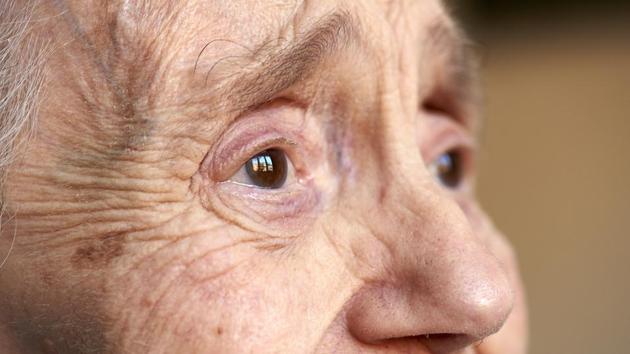
A diet designed for brain health may reduce the risk of developing cognitive impairment and disorders including Alzheimer’s disease and dementia, a study of dietary patterns in older adults in Australia shows.
The study, published in the journal Alzheimer’s & Dementia, reviewed the potential protective effects of the Mediterranean-DASH Intervention for Neurodegenerative Delay diet, also known as the MIND diet.
The MIND diet is characterised by 15 dietary components with a focus on green leafy vegetables, whole grains, olive oil and small amounts of red meat. The Mediterranean diet is believed to have a protective effect in other health settings, such as cardiovascular diseases, said researchers from University of New South Wales (UNSW) in Australia.
The composition of the MIND diet is based partially on the Mediterranean diet but incorporates foods specifically relevant to brain health. The study followed 1,220 adults aged 60 and older, for a period of 12 years. During this time, a dietary pattern that followed the MIND diet was linked to 19% reduced odds of developing clinically diagnosed mild cognitive impairment or dementia. In contrast, no benefit was found for adhering to the Mediterranean dietary pattern, researchers said.
“This study has shown for the first time, outside of the US, that the MIND diet reduces the risk of dementia,” said Professor Kaarin Anstey from UNSW Ageing Futures Institute, who led the study.
{{/usCountry}}“This study has shown for the first time, outside of the US, that the MIND diet reduces the risk of dementia,” said Professor Kaarin Anstey from UNSW Ageing Futures Institute, who led the study.
{{/usCountry}}Anstey hopes the study will help researchers develop concrete recommendations for reducing the risk of dementia around the world. Participants were interviewed about their dietary intake using food frequency questionnaire at the commencement of the study. Their cognitive abilities were monitored over time and they were also assessed for cognitive impairment. Their diets were scored to see whether the participants’ dietary patterns followed the MIND or Mediterranean pattern.
Follow more stories on Facebook and Twitter
Catch your daily dose of Fashion, Taylor Swift, Health, Festivals, Travel, Relationship, Recipe and all the other Latest Lifestyle News on Hindustan Times Website and APPs.
Catch your daily dose of Fashion, Taylor Swift, Health, Festivals, Travel, Relationship, Recipe and all the other Latest Lifestyle News on Hindustan Times Website and APPs.