
 E-Paper



Popped: How a war in the Gulf took the fizz out of India's Diet Coke supply and made the can costlier
Diet Coke, sold almost exclusively in cans in India, has become an unexpected casualty of a war that has shut a strait, struck a smelter and squeezed a market.

 Prefer HTon Google


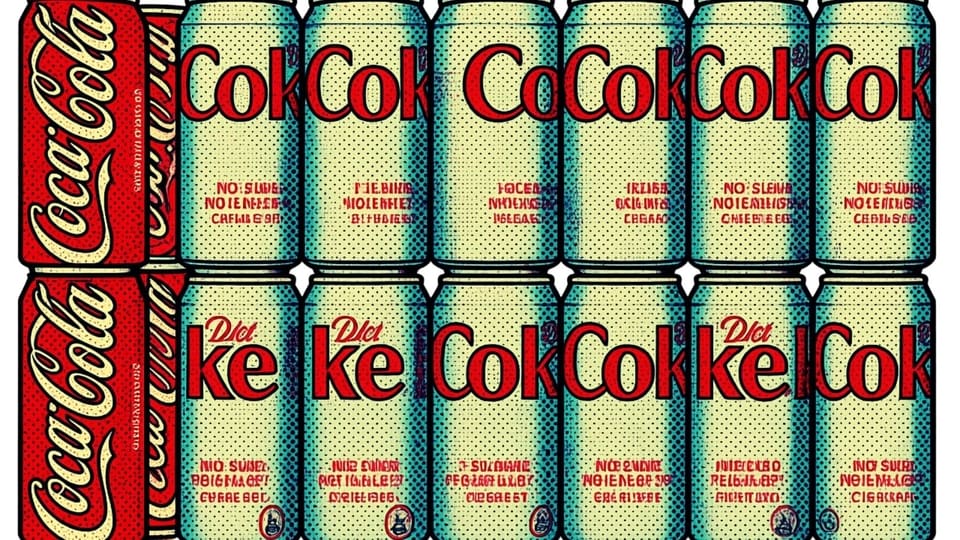
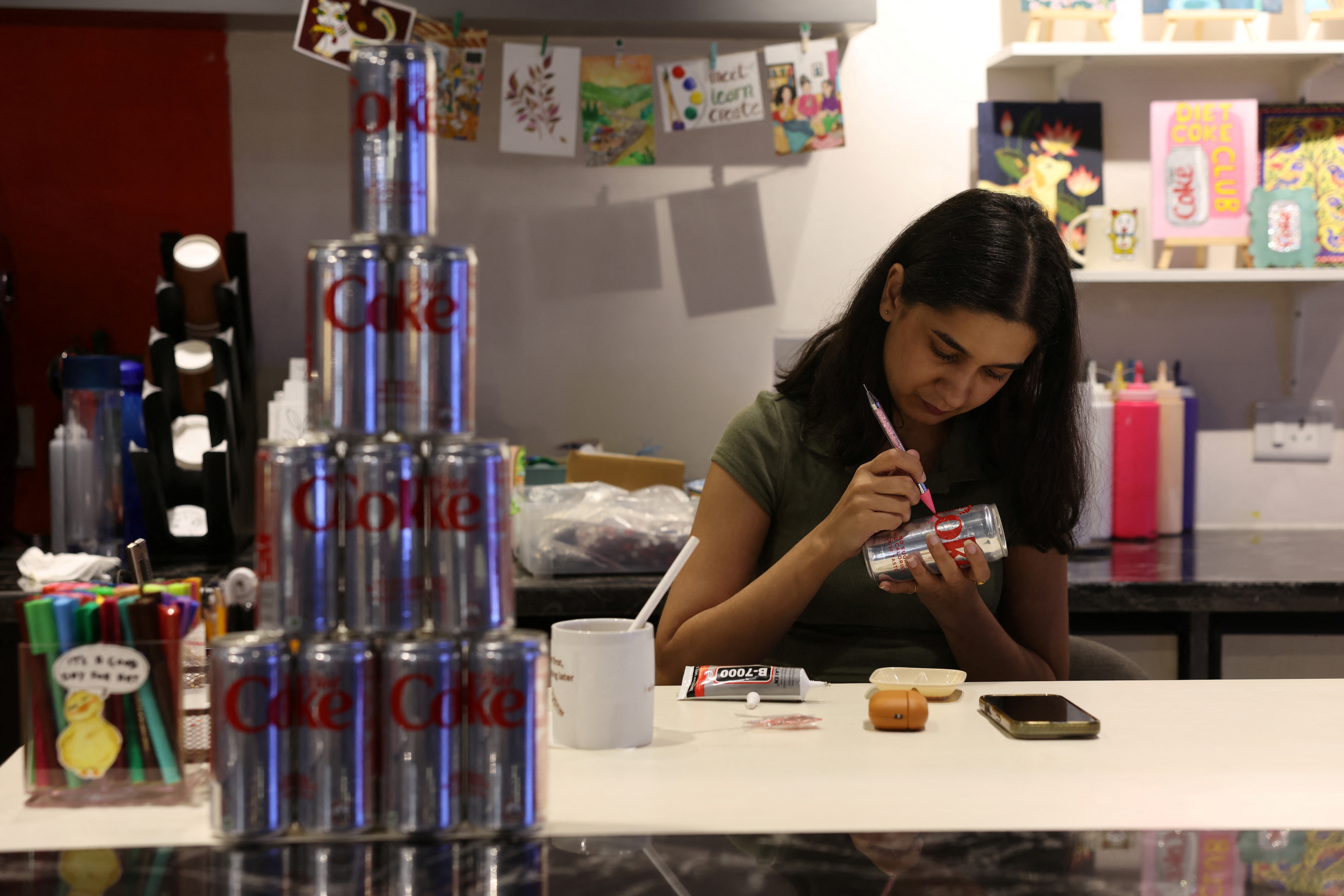
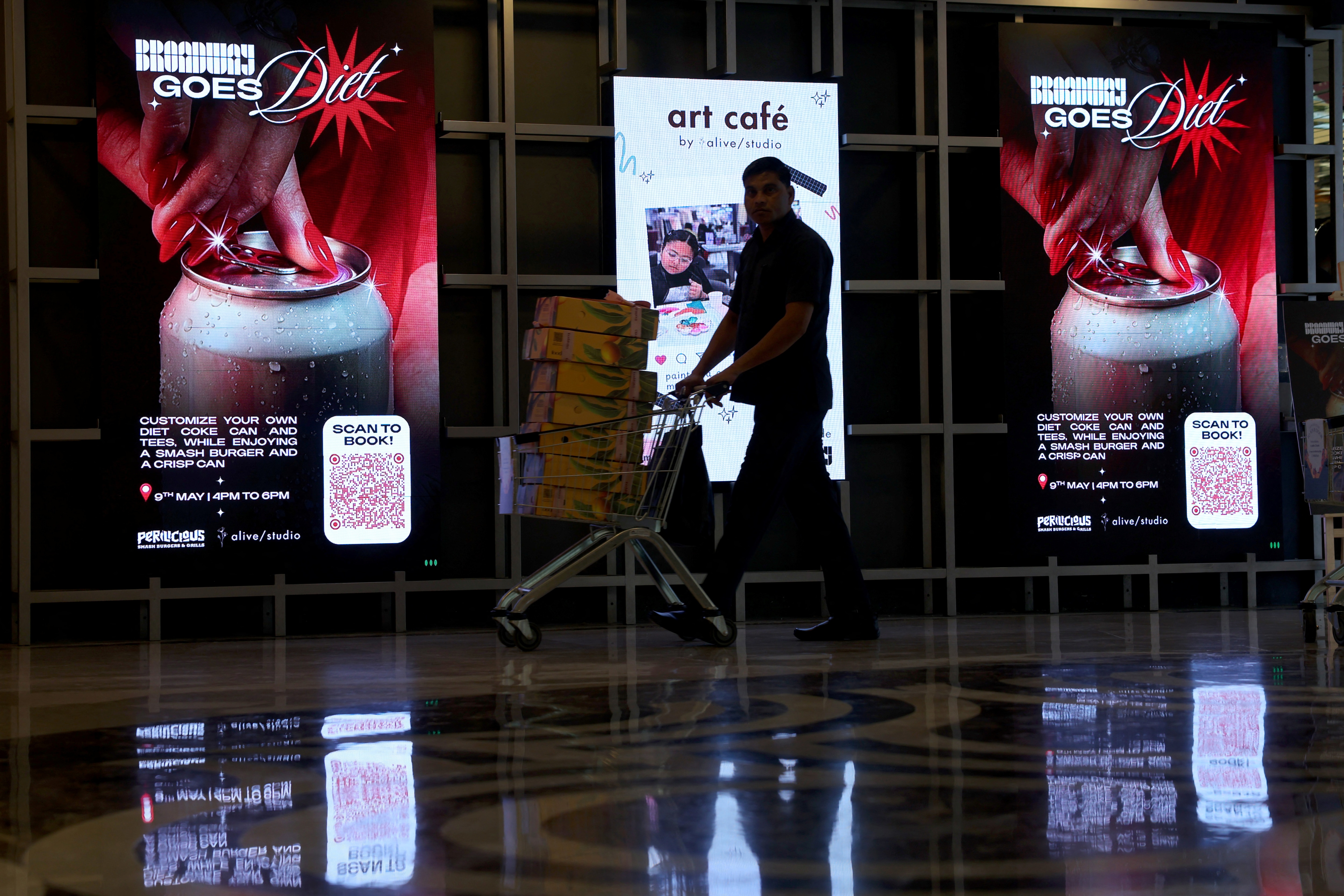
At a bar in New Delhi in May, guests in Diet Coke-themed T-shirts queued up for cocktails spiked with jalapeno and honey and painted cans as party activities. In Mumbai, a similar ticketed evening ended in a raffle whose top prize was 50 cans of the drink itself. Near the capital, a restaurant chain was charging ₹1,300 for entry to an evening that promised the fizzy drink "on the house" alongside snacks, while a separate retail chain in New Delhi was billing its own ₹999 event — with burgers, vintage art and custom T-shirt painting — as a "full-blown Diet Coke experience".
The parties were a response to a very real problem: Diet Coke, sold almost exclusively in aluminium cans in India, has been in short supply for months, and has just become more expensive. Its maker Coca-Cola raised prices by more than 10%, rolled out a larger 330ml can as smaller ones went into tight supply, and is now sourcing cans from Southeast Asia, Reuters reported.
The trail leads back to the war between the US, Israel and Iran, and, more specifically, to the near-closure of the Strait of Hormuz — the narrow waterway through which a significant share of the world's aluminium is shipped.
A price rise, a bigger can
The most popular Diet Coke variant in India used to be a 300ml can priced at ₹40. Coca-Cola has now rolled out a 330ml can at ₹50, two people with direct knowledge of the matter told Reuters, adding that the decision was made to account for higher costs. On a per-millilitre basis, that is a 13.6% price increase.
At least one Indian bottler has also begun offering Diet Coke in 200ml glass bottles for a limited period, though these are far more expensive than the canned drink, according to online listings and a third source cited by Reuters.
Coca-Cola has not publicly announced the changes and did not respond to Reuters' queries.
But the company confirmed the market impact on July 28, when it reported its second-quarter results. Chief financial officer John Murphy said Coca-Cola had lost market share in India in the quarter, describing the mid-tier price band of ₹11 to ₹40 as one where it does "not yet have the pack price architecture" that it needs.
He added: "We're working on that. And so I expect that over time we'll recover some of the share losses."
Murphy also said that aluminium and PET plastic prices had risen more this year than the company had anticipated, and that Coca-Cola was working to offset those pressures. On the Diet Coke shortage, he struck a more optimistic note, calling it a "wonderful problem to have" and forecasting a "10x increase — off a very small base I might add — but a 10x increase in demand for the brand" by the end of the year.
Globally, Coca-Cola reported strong quarterly earnings and raised its annual forecasts, buoyed by advertising tied to its World Cup sponsorship. India, part of its Asia Pacific region, was the outlier.
Also read: When two wars meet at lake: Ukraine's strike in Caspian Sea and the Iran-Russia angle
The aluminium trail leads to the Gulf
Before the war erupted on February 28, roughly 8% of global aluminium supply moved through the Strait of Hormuz, according to data from commodity analysts Kpler. That trade has largely stopped.
About 20,000 tonnes of the metal exited the Strait in April, Kpler's data showed, down from an average of 1.26 million tonnes a month in the three months before the conflict began.
West Asia is among the largest suppliers of aluminium because of its energy abundance. Refining bauxite and smelting the metal is extremely power-intensive, and the region's access to cheap, abundant power has made it a global smelting hub.
West Asia has the capacity to produce about 7 million tonnes of aluminium a year, roughly 9% of world production capacity, with about three-quarters of it exported, The Atlantic reported.
The Gulf accounts for about a fifth of aluminium supplies outside China, Bloomberg Opinion columnist David Fickling noted in a column published this week. Prices on the London Metal Exchange have risen by roughly half over the past year to around $3,637 a tonne, he wrote, describing conditions in the aluminium market as "the most bullish in 50 years". Citigroup, quoted in the same column, has forecast a further 50% rise next year. The Atlantic separately reported that the base price of a tonne of aluminium surpassed $3,600 in April, a four-year high.
Strikes that took capacity offline
Besides commercial shipping coming to a near-halt, aluminium supply from the Gulf also took other hits, at least two of which were literal.
As ship traffic got restricted, smelters in Qatar and Bahrain reacted to the uncertainty by shutting down. Then, on March 28, Iran launched drone and missile attacks that struck two aluminium facilities in the region.
The Al Taweelah plant in Abu Dhabi, which produced 1.6 million tonnes of the metal last year, has been completely shut down since, The Atlantic reported.
Fickling, writing for Bloomberg, said Emirates Global Aluminium, which ran the Al Taweelah plant, sustained missile and drone strikes that appear to have frozen some of the thousands of electrolytic cells where molten metal is smelted. The company, he wrote, expects a restart to take up to 12 months because parts of the production line need to be rebuilt "almost from scratch".
Also read: Houthis claim attack on Saudi oil infrastructure as US-Iran pause holds
No one rushing in to fill the gap
Under normal conditions, China would be expected to absorb such a shock. It produces about 60% of the world's aluminium, but it also consumes almost all of what it makes, Fickling wrote.
Besides, China has its own renewables and grid build-out to worry about, and is in the middle of moving millions of tonnes of smelting capacity to renewable-powered locations deep inland — all of which limits its ability to rebalance the world market through an export surge.
Indonesia had been expected to add roughly 7.6 million tonnes of smelting capacity over the next few years, but that too may not pan out because of investment uncertainties, Fickling said.


