Duplicate entries flagged in Uttar Pradesh’s electoral roll following the Special Intensive Revision (SIR), including cases involving multiple applications by the same voter, have again brought the issue of duplicate registrations to the fore.
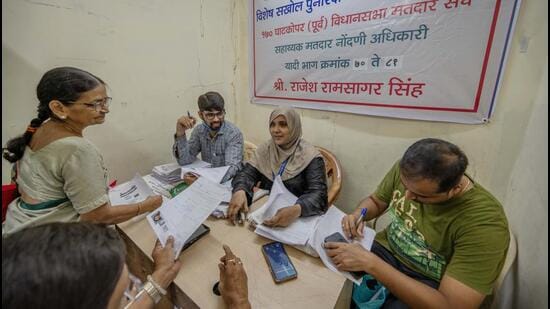
On October 20, Uttar Pradesh chief electoral officer Navdeep Rinwa directed district election officials to identify such cases through booth-level officers (BLOs) and resolve them under prescribed procedures ahead of the next draft electoral roll scheduled for November 12.
The Election Commission of India (ECI) has used digital databases, software-based matching and field verification to identify duplicate entries. Here are the key measures it has taken:
The use of ECINET
The poll body’s ECINET platform provides a common database for electoral rolls across states and Union territories. It generates reports on Photo Similar Entries (PSE) and Demographic Similar Entries (DSE), flagging potential matches by using similarities in photographs and details such as names, relatives’ names, age, and address. Electoral registration officers (EROs) examine these cases, requiring field verification where necessary.
Unique EPIC numbers
{{/usCountry}}Unique EPIC numbers
{{/usCountry}}In March 2025, the ECI announced steps to allot unique Electors Photo Identity Card (EPIC) numbers after finding identical numbers among voters in different states.
The Commission attributed the issue to different state and Union territory offices using identical alphanumeric series under an earlier decentralised system. In May 2025, the ECI said the issue was resolved following a nationwide search and verification, and affected electors were issued new EPIC numbers. It clarified that identical EPIC numbers did not necessarily indicate duplicate or fraudulent registrations.
Linking voter IDs with Aadhaar
The ECI first launched a drive to link EPIC numbers with Aadhaar in 2015, but suspended it later that year following Supreme Court restrictions on the use of Aadhaar.
The Election Laws (Amendment) Act, 2021, provided for the voluntary collection of Aadhaar details from electors. In March 2025, the Commission held discussions with officials from the Unique Identification Authority of India (UIDAI) and other government departments on linking EPIC with Aadhaar as a means to tackle the problem of duplicate entries.
Field verification and deletion
Under the ECI’s electoral roll procedures, EROs examine potential matches and classify them as confirmed matches, non-matches or doubtful cases. Confirmed and doubtful cases are referred for field verification by BLOs. Where duplicate registrations are established, the entry at the address where the elector no longer resides can be deleted through the prescribed process, including Form 7 and notice where required. Cases involving different constituencies or states require coordination among the relevant electoral authorities.